Beyond the Surface: The Science Behind Hardwood Floor Durability
Hardwood floors have been the epitome of elegance and durability in homes and public buildings for centuries. Beyond their timeless aesthetic appeal lies a fascinating science that ensures these floors can withstand the test of time, foot traffic, and the occasional spill. This blog post delves into the critical factors that contribute to the durability of hardwood floors, including the types of wood used, finishes, and construction techniques.
Understanding Wood Types
The foundation of hardwood floor durability starts with selecting the right type of wood. Hardwoods are broadly classified into two categories: domestic and exotic.
Domestic hardwoods, such as oak, maple, and cherry, are popular in North American homes due to their durability and ease of maintenance. Exotic hardwoods, like teak, mahogany, and bamboo (technically a grass but often categorized with hardwoods for its comparable properties), offer unique grain patterns and colors but vary in hardness and durability.
The hardness of wood is measured using the Janka hardness test, which assesses the force required to embed a .444-inch steel ball into the wood to half its diameter. Woods with higher Janka ratings, such as hickory and Brazilian cherry, are more resistant to scratches and dents, making them ideal for high-traffic areas. Conversely, softer woods like pine can be more prone to wear and may not be the best choice for every room.
The Role of Finishes in Hardwood Durability
Once the wood type is selected, the finish applied to the hardwood floor plays a crucial role in its durability. Modern finishes are designed not just to enhance the wood's natural beauty but also to protect it from stains, moisture, and wear. The most common types of finishes include:
- Polyurethane: A popular choice for its durability and resistance to water and chemicals. Polyurethane finishes can be either water-based or oil-based, with water-based finishes offering a clearer look and faster drying times, while oil-based finishes provide a richer, deeper color.
- Oil: Natural oil finishes penetrate the wood, enhancing its grain and natural beauty. While not as resistant to spills and wear as polyurethane, oil finishes are easier to repair and offer a more natural look.
- Wax: A traditional finish that offers a warm, soft sheen. Wax finishes are less durable than polyurethane or oil and require more maintenance but are valued for their classic, natural appearance.
Construction Techniques That Enhance Durability
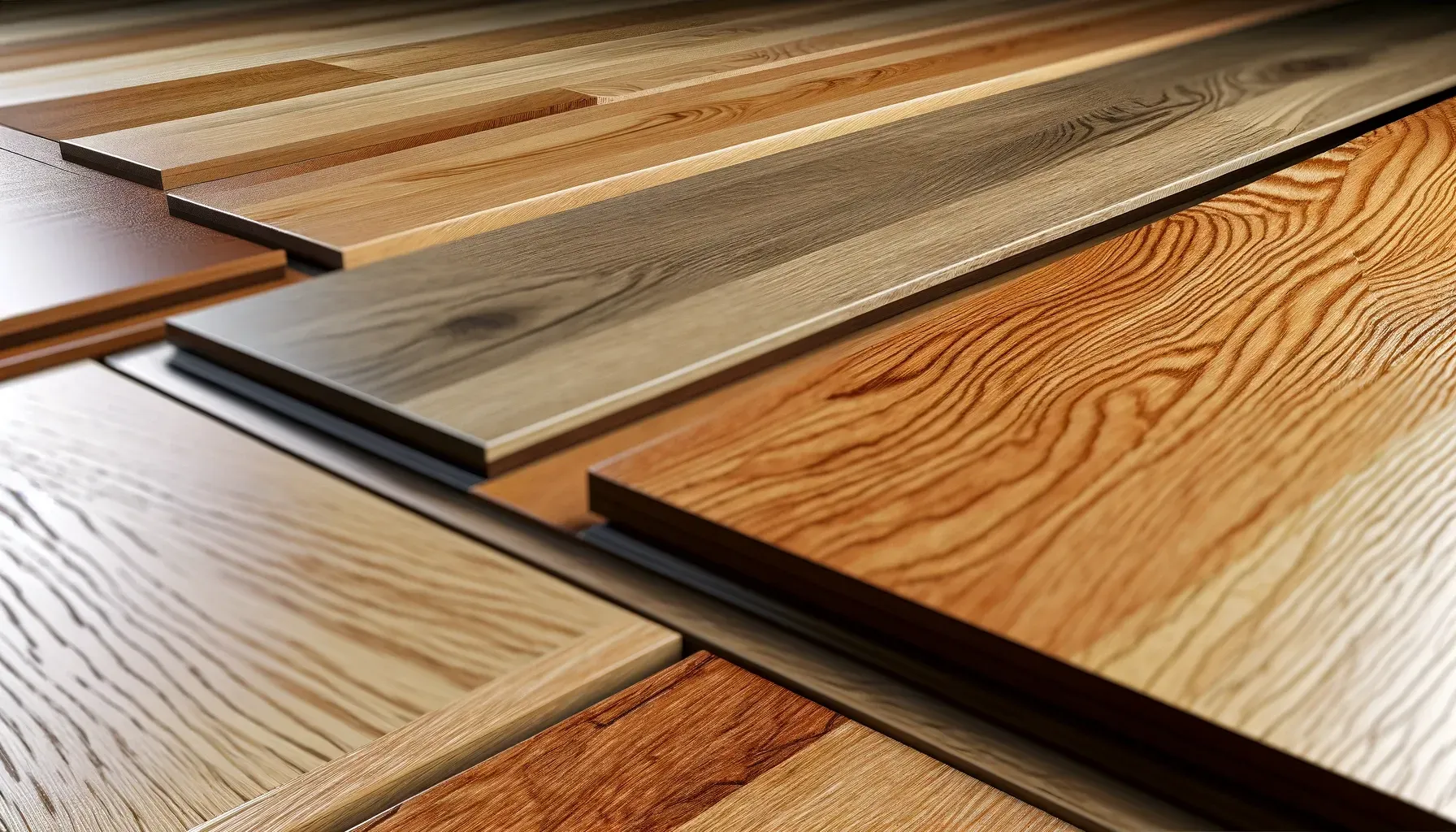
The way a hardwood floor is constructed can significantly affect its longevity and resilience. There are two main types of hardwood flooring: solid and engineered.
- Solid Hardwood Flooring is made from a single piece of wood. Its thickness allows for multiple refinishings, extending the floor's life over many decades. However, solid hardwood can be susceptible to changes in humidity, leading to expansion and contraction that can cause warping or gaps.
- Engineered Hardwood Flooring consists of a thin layer of hardwood affixed to a base of plywood or another wood. This construction method reduces the wood's natural tendency to change with humidity levels, making engineered hardwood floors more stable and less prone to warping. While engineered floors can be more resistant to moisture and temperature changes, they may not withstand as many refinishings as solid hardwood, depending on the thickness of the top layer.
Installation Matters
Proper installation is paramount to the durability of hardwood floors. Whether choosing solid or engineered hardwood, ensuring that the subfloor is clean, dry, and level can prevent a myriad of problems down the line. For areas with high moisture levels, like basements, engineered hardwood or additional vapor barriers might be recommended to prevent moisture damage.
AGW Hardwood flooring has been providing expert installation in Connecticut for over 60 years!
Give us a call today to talk about your project.
The Science of Maintenance
Finally, the durability of hardwood floors is significantly influenced by regular maintenance. Simple steps, such as using felt pads under furniture legs, maintaining a stable indoor humidity level, and promptly cleaning spills, can prevent damage and extend the floor's lifespan. Regular cleaning with products designed for hardwood floors can also protect the finish and the wood beneath from wear and abrasion.
Conclusion
The enduring popularity of hardwood floors is not just due to their beauty but also their remarkable durability. This durability is not accidental but the result of careful selection of wood types, finishes, and construction techniques, combined with proper installation and maintenance. Understanding the science behind hardwood floor durability allows homeowners to make informed decisions that ensure their floors will remain a timeless feature of their homes for years to come.
Contact Us
Check out other hardwood flooring blogs from AGW: