From Tree to Timeless Floor: The Craftsmanship and Science Behind Hardwood Flooring
Hardwood flooring is one of the most enduring and sought-after flooring materials available today. Homeowners appreciate its natural beauty, longevity, and ability to add character to virtually any style of home. While many people admire the finished floor beneath their feet, few realize the remarkable journey hardwood takes before it arrives in a living room, dining room, or hallway. The process begins in carefully managed forests and continues through harvesting, milling, drying, manufacturing, and installation before becoming the finished floor that can last for generations.
Understanding how hardwood flooring is made provides valuable insight into the quality, craftsmanship, and expertise behind every plank. It also helps homeowners recognize why premium hardwood flooring remains one of the most valuable investments they can make in their homes.
How Hardwood Flooring Begins in Responsibly Managed Forests
Every hardwood floor starts with a tree. Popular flooring species such as oak, maple, hickory, walnut, cherry, and ash may spend decades growing before they are harvested. Depending on the species, a tree can take anywhere from forty to well over one hundred years to reach maturity.
Today, responsible forestry practices play a critical role in the hardwood flooring industry. Sustainable forest management focuses on maintaining healthy forests through selective harvesting, regeneration efforts, and long-term stewardship. Rather than removing entire sections of forest, many operations carefully select mature trees while allowing younger trees to continue growing.
This approach helps preserve ecosystems, protect wildlife habitats, and ensure future generations can continue to benefit from the natural beauty and resources provided by hardwood forests. The quality of the forest itself often influences the quality of the lumber that will eventually become flooring.
Selecting and Harvesting Hardwood for Flooring Production
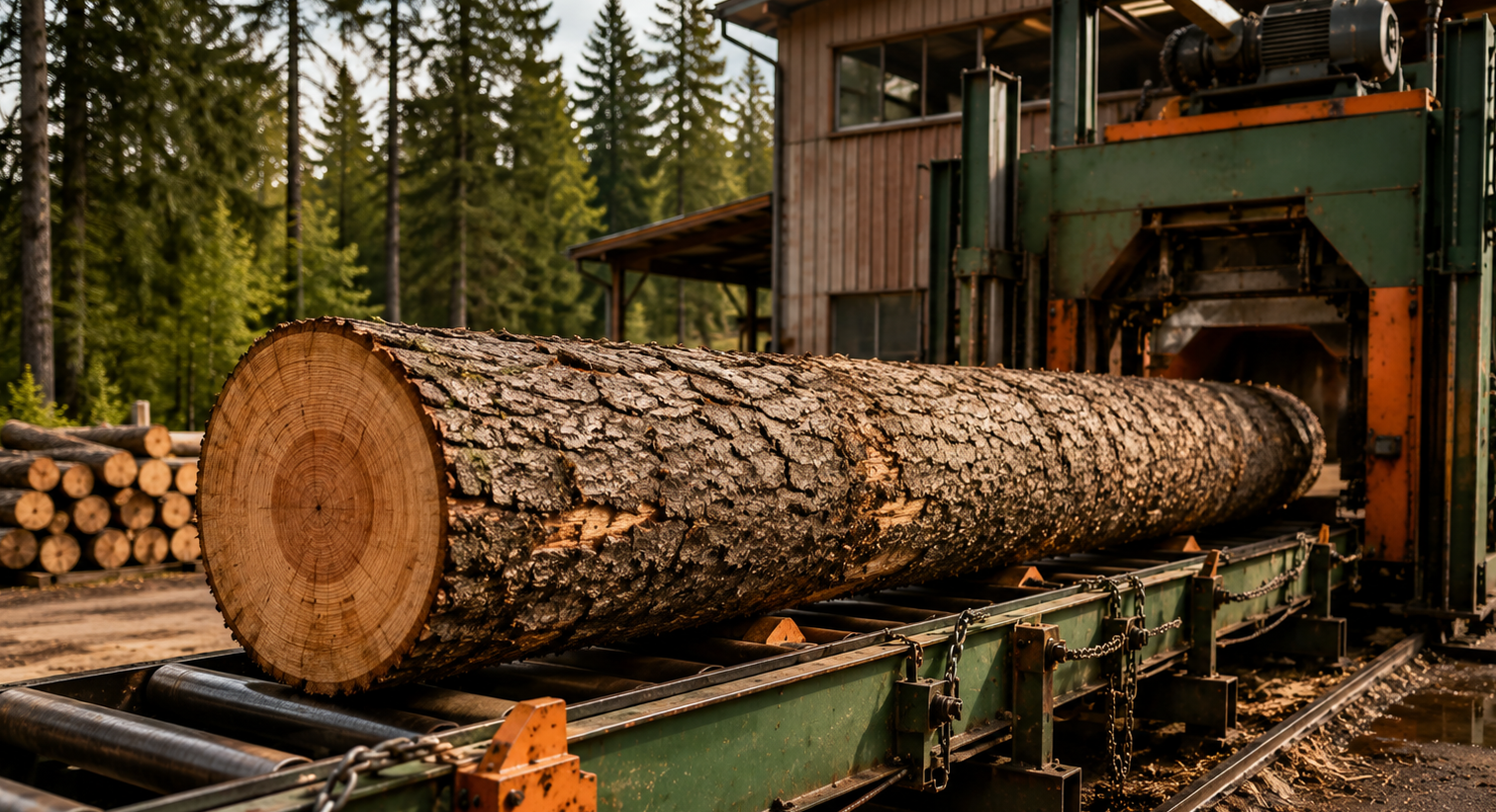
Once trees reach maturity, they are harvested and transported to sawmills where the manufacturing process truly begins. Not every tree is suitable for flooring production. Experienced graders evaluate logs based on their size, straightness, grain consistency, and overall condition.
Higher-quality logs typically produce flooring with more uniform grain patterns and fewer natural imperfections. Other logs may be selected for character-grade flooring, which embraces knots, mineral streaks, and natural variations that many homeowners find appealing.
This selection process is important because it determines both the appearance and performance characteristics of the finished flooring product. Careful evaluation ensures that each log is used appropriately and efficiently.
Transforming Logs into Lumber Through Precision Milling
After inspection and grading, logs are cut into lumber using specialized saws and milling equipment. The way a log is cut has a significant impact on the final appearance and stability of the flooring.
Different sawing methods create distinct grain patterns and characteristics. Some cuts emphasize traditional cathedral-style grain patterns, while others produce straighter, more consistent grain lines. Certain cutting techniques also improve dimensional stability, helping flooring resist movement caused by seasonal humidity fluctuations.
Once the lumber is cut, it is trimmed and prepared for one of the most critical stages of the manufacturing process: drying.
Why Proper Drying Is Essential for Hardwood Flooring Performance
Freshly harvested wood contains a substantial amount of moisture. If that moisture remains trapped inside the wood when flooring is manufactured and installed, the boards can shrink, expand, warp, or crack as they adjust to interior conditions.
To prevent these issues, manufacturers carefully dry lumber before it becomes flooring. Many operations begin with air drying, allowing the wood to gradually release moisture in a controlled environment. The lumber is then transferred to specialized kilns where temperature, humidity, and airflow are carefully regulated.
Kiln drying reduces moisture content to levels appropriate for indoor use and helps stabilize the wood before it is milled into flooring planks. This stage requires patience and precision, but it plays a major role in the long-term performance of hardwood flooring.
When drying is performed correctly, homeowners benefit from greater dimensional stability, improved durability, and fewer moisture-related problems after installation.
Creating Hardwood Flooring Planks with Precision Manufacturing
After drying, the lumber moves through advanced manufacturing equipment that transforms rough boards into finished flooring components. During this stage, each board is milled to precise dimensions and shaped to ensure a consistent fit during installation.
Manufacturers create tongue-and-groove profiles that allow boards to connect securely. They also ensure uniform thickness and width throughout production. Modern equipment can achieve remarkable levels of accuracy, helping flooring installers achieve cleaner seams and a more polished finished appearance.
This precision is one reason quality hardwood flooring performs so well over time. Small manufacturing inconsistencies can lead to installation challenges and uneven surfaces, making accuracy an essential part of the process.
Quality Control and Grading Before Flooring Leaves the Mill
Before hardwood flooring is packaged and distributed, each board undergoes careful inspection. Manufacturers sort flooring into various grades based on natural characteristics such as grain variation, color differences, knots, and mineral streaks.
This grading process allows homeowners to choose a look that matches their design preferences. Some homeowners prefer clean, uniform flooring with minimal variation, while others appreciate the warmth and character created by natural wood features.
Regardless of appearance grade, quality control inspections help ensure the flooring meets performance standards and manufacturing specifications before it reaches distributors and contractors.
Prefinished and Site-Finished Hardwood Flooring Options
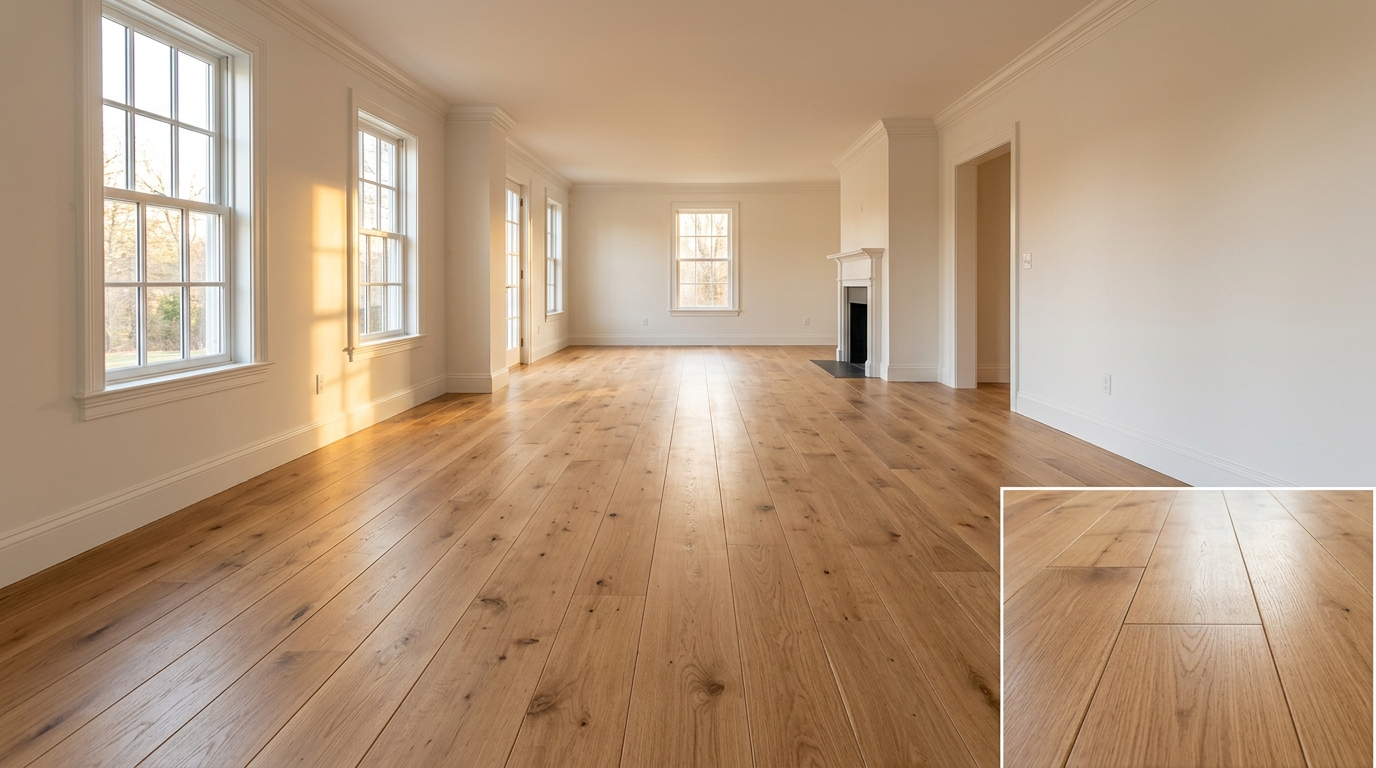
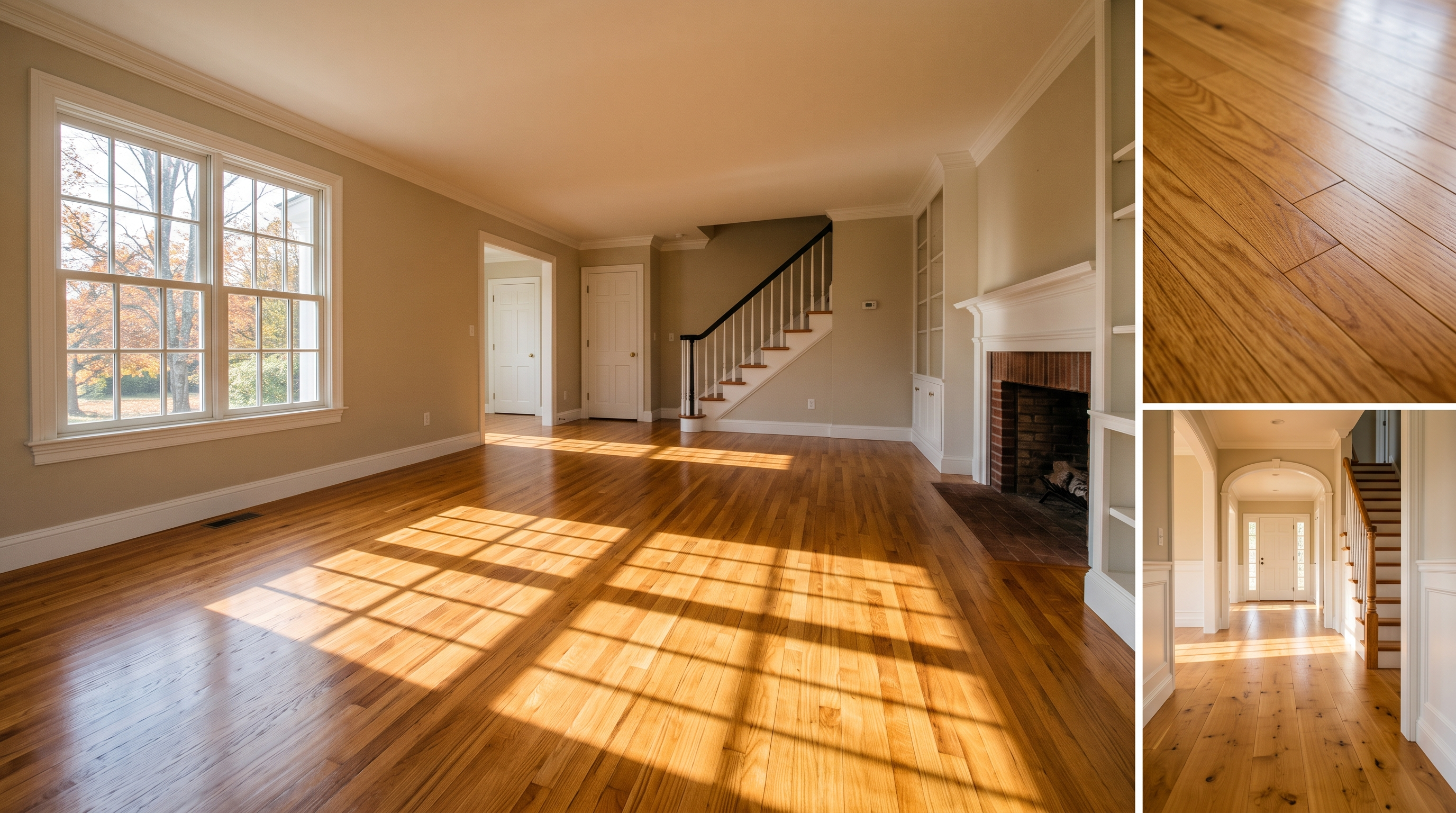
Once manufacturing is complete, hardwood flooring may be sold as either prefinished or unfinished material. Prefinished flooring receives stain and protective coatings in a controlled factory environment before shipment. These finishes are often cured using advanced processes that create highly durable surfaces.
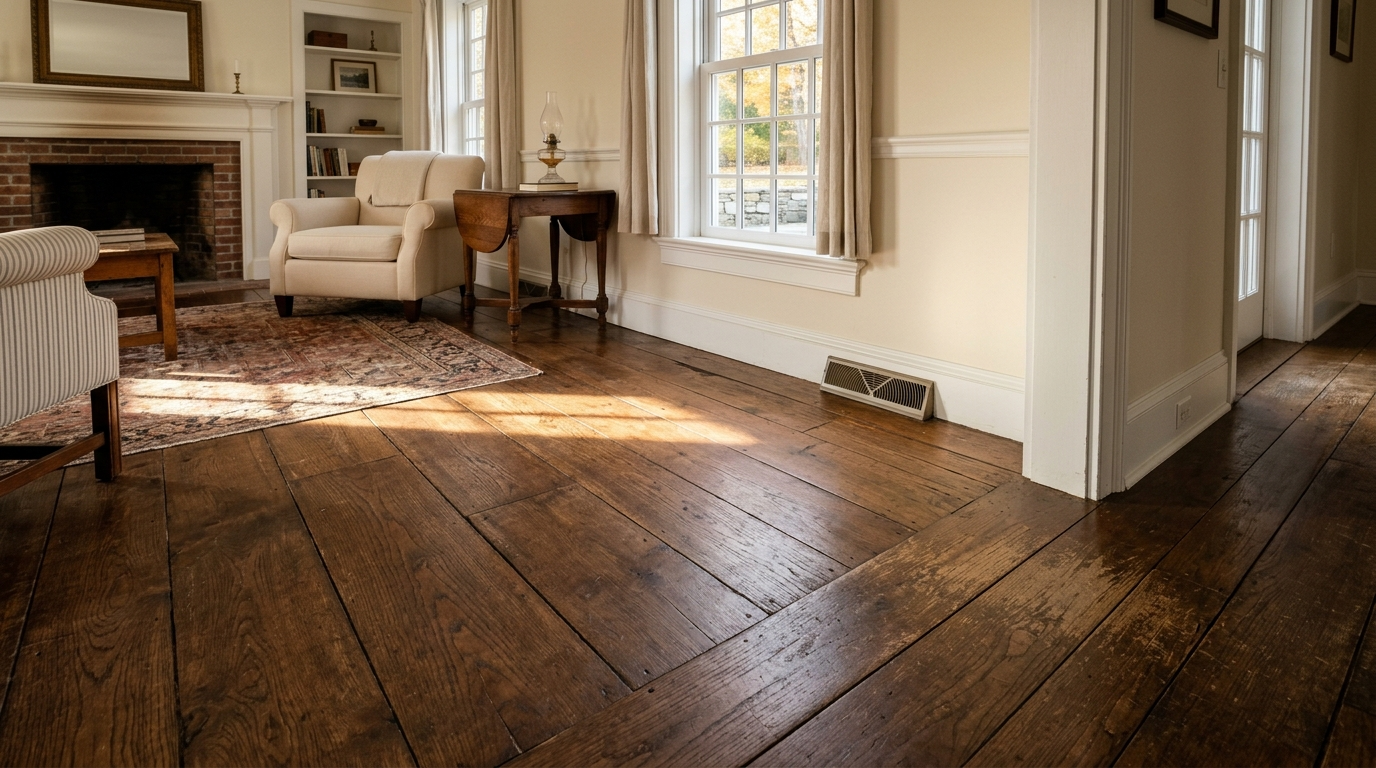
Unfinished flooring arrives at the job site without stain or finish. After installation, the floor is sanded, stained, and coated in place. This approach allows for greater customization and creates a seamless appearance across the entire floor.
Many homeowners undertaking premium renovations or restoring historic properties appreciate the flexibility that site-finished hardwood provides. It allows flooring professionals to tailor the appearance to the home's architecture, lighting, and design goals.
How Installation Completes the Journey from Forest to Floor
Even the highest-quality hardwood flooring depends on proper installation to achieve its full potential. Before installation begins, flooring must acclimate to the home's environment. This step allows the wood to adjust to local temperature and humidity conditions.
Professional installers evaluate subfloor conditions, moisture levels, room layouts, and expansion requirements before placing a single board. These details play a significant role in the floor's long-term performance.
Installation is where craftsmanship becomes especially important. Precision layout, proper fastening methods, and careful attention to detail help ensure a finished floor that remains beautiful and stable for decades.
At AGW Hardwood Flooring, this commitment to craftsmanship reflects generations of experience working with hardwood throughout New England homes. Whether installing new flooring, restoring historic wood floors, or performing dustless refinishing, every project is approached with the same dedication to quality and long-term performance.
Why Understanding the Manufacturing Process Helps Homeowners Make Better Decisions
Knowing how hardwood flooring is manufactured helps homeowners appreciate the difference between average products and premium materials. Every stage of the process contributes to the floor's appearance, durability, and lifespan. Sustainable forestry practices, careful log selection, proper drying methods, precision milling, and expert installation all work together to create a finished product capable of serving a home for generations.
When homeowners understand this journey, they are better equipped to evaluate flooring options and recognize the value of quality craftsmanship. Hardwood flooring is more than a surface covering. It is a natural product shaped by decades of growth, advanced manufacturing techniques, and skilled workmanship.
Why Homeowners Trust AGW Hardwood Flooring for Hardwood Expertise
A beautiful hardwood floor begins long before installation day. It starts in carefully managed forests and continues through a detailed manufacturing process that combines natural materials, modern technology, and skilled craftsmanship. Understanding that journey highlights why quality matters at every stage.
AGW Hardwood Flooring brings generations of hardwood flooring expertise to every project. From premium installations and historic restorations to professional dustless refinishing, the team is committed to preserving the beauty, character, and longevity that make hardwood flooring one of the most valuable investments a homeowner can make.
Contact AGW Hardwood Flooring Today
If you are considering new hardwood flooring or restoring existing wood floors,
AGW Hardwood Flooring can help you make the most informed decision for your home.
Contact AGW Hardwood Flooring today to learn more about professional hardwood installation, refinishing, and restoration services designed to deliver lasting beauty for generations.
Contact Us
Check out other hardwood flooring blogs from AGW: