How Luxury Hardwood Floors Gain Character and Strength Over Time
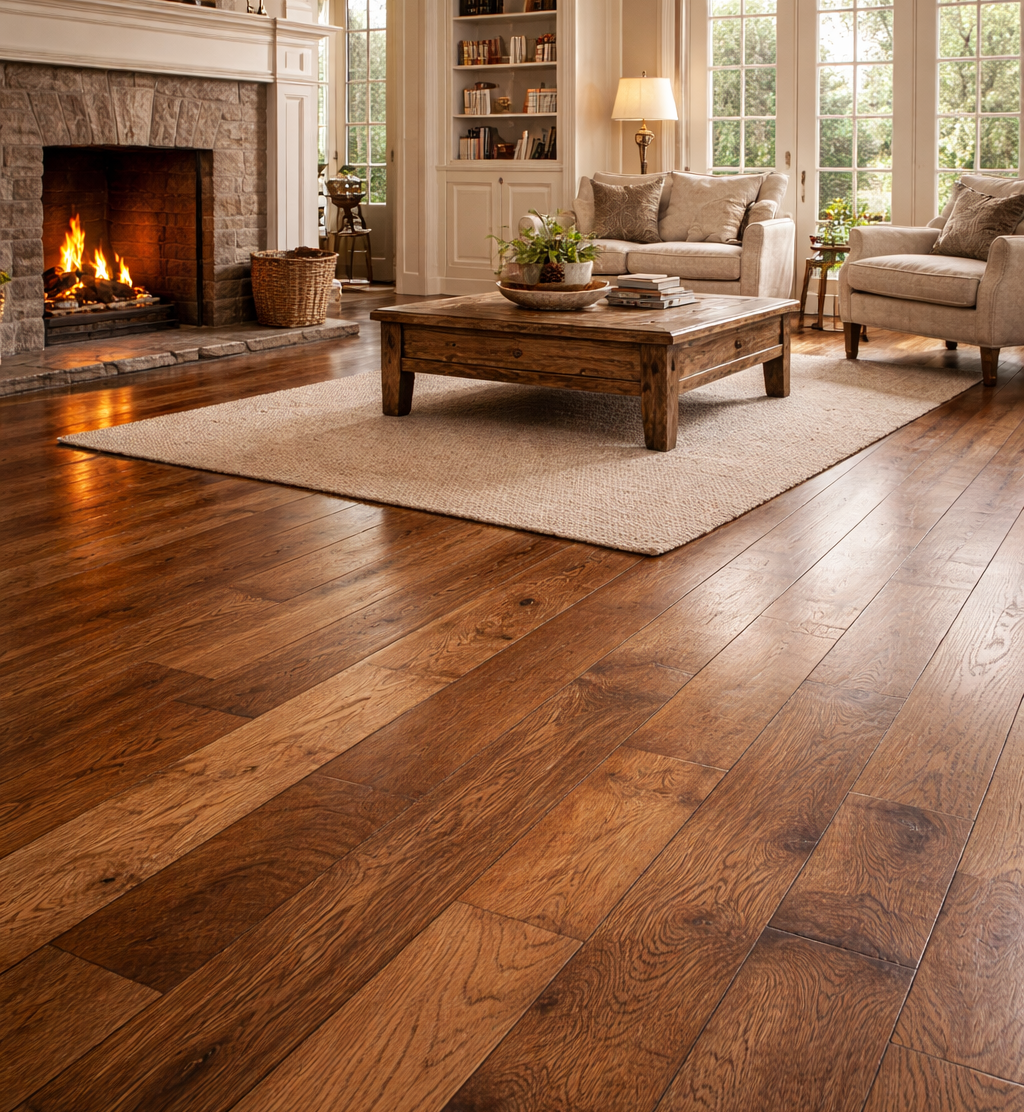
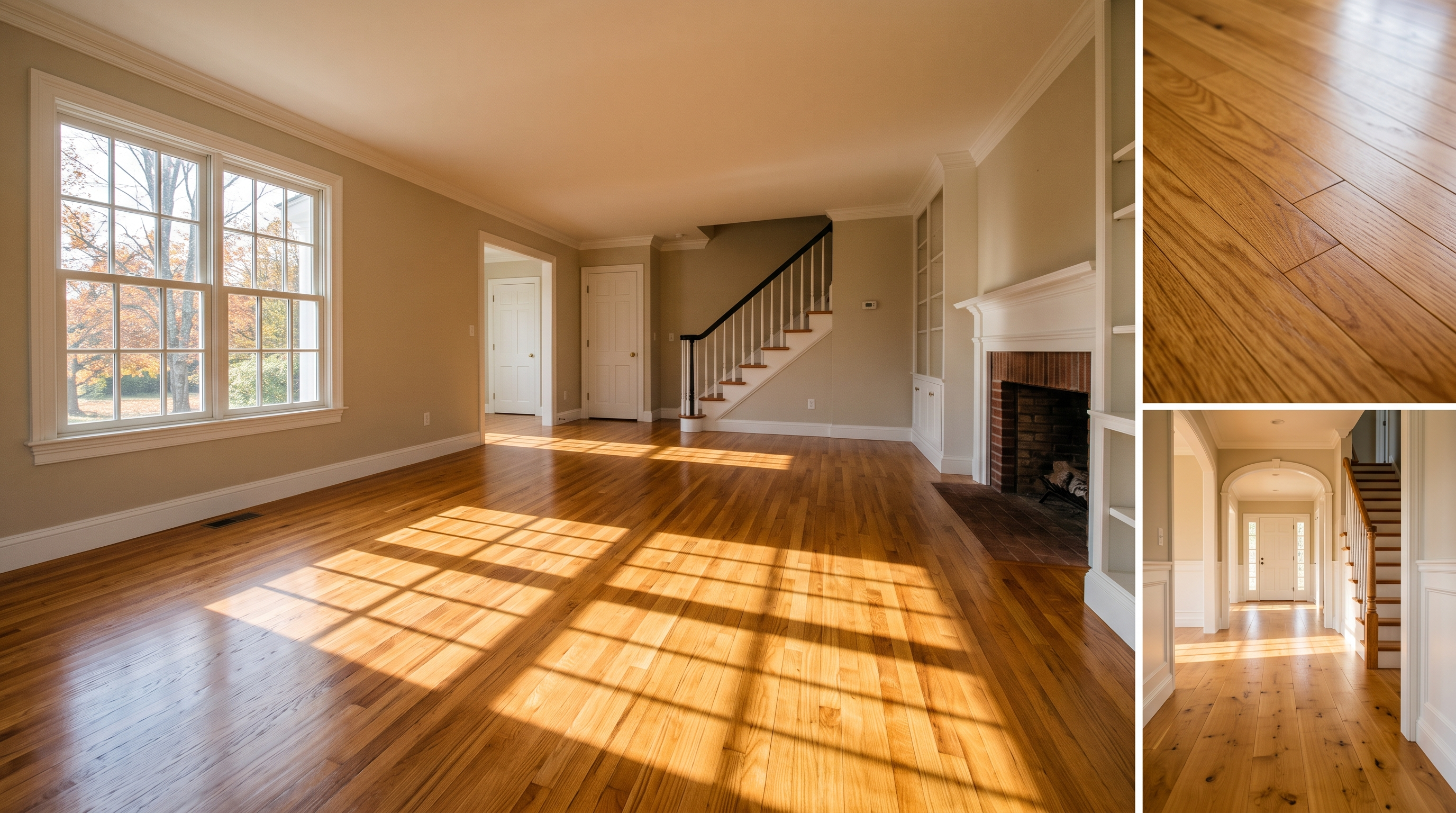
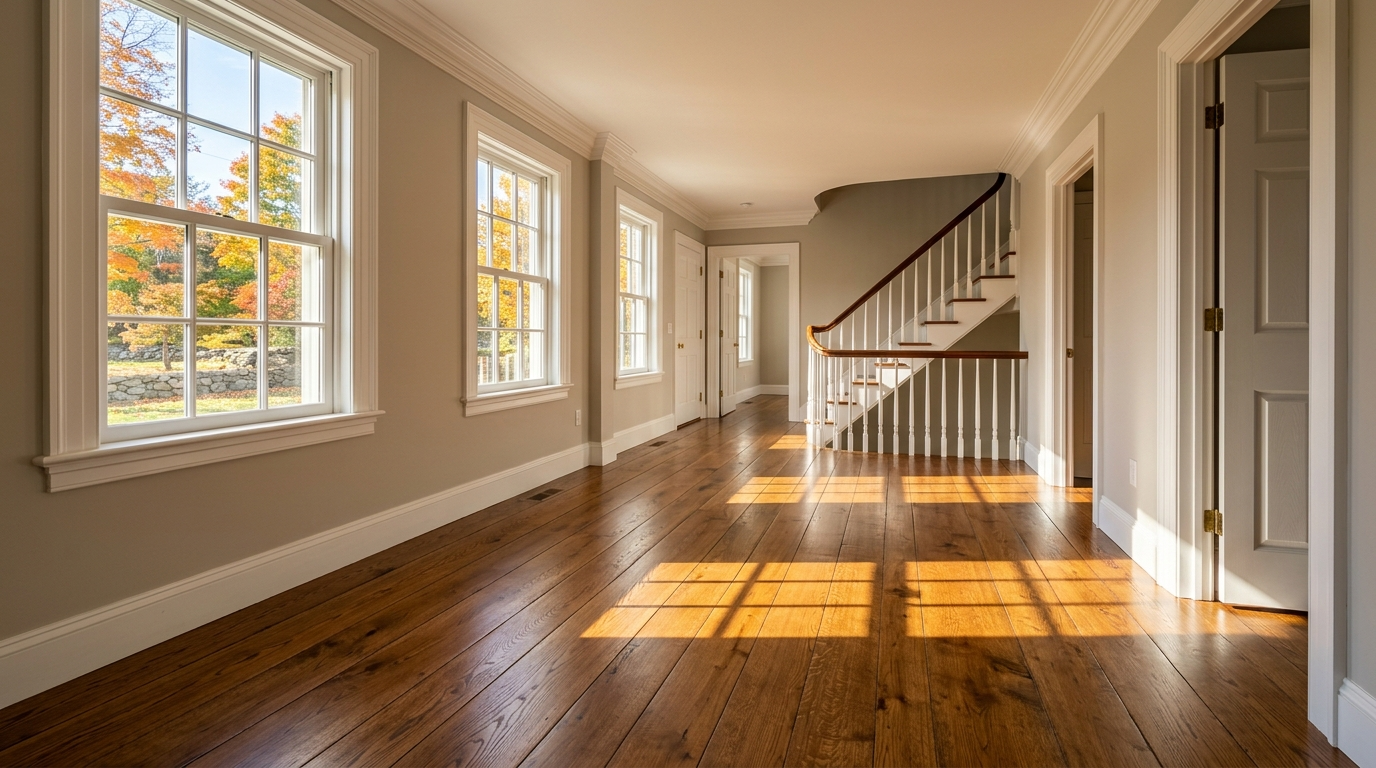
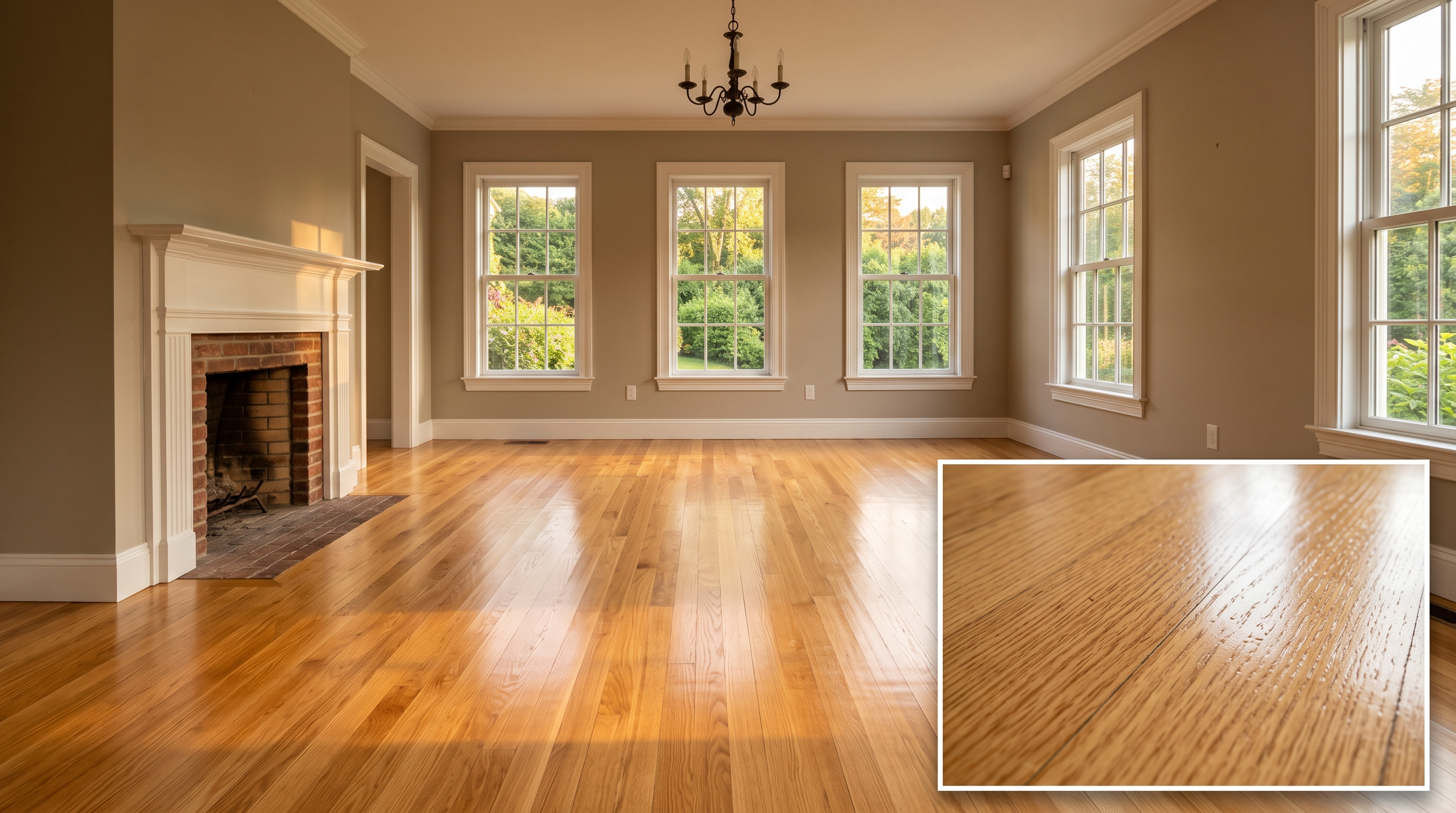
Luxury hardwood floors are one of the few building materials that genuinely improve with age. Rather than degrading visually like many synthetic flooring options, hardwood develops depth, patina, and character as it matures. The grain becomes more pronounced, color tones warm naturally, and minor surface marks blend into the wood instead of standing out.
Sunlight enriches hardwood rather than bleaching it. Daily foot traffic contributes to a lived-in appearance that feels authentic rather than worn. With professional refinishing at the right intervals, floors regain surface clarity while preserving the story of the home. This ability to renew rather than replace is a defining characteristic of true luxury hardwood flooring.
What Determines the Actual Lifespan of Hardwood Floors
Hardwood flooring does not have a preset expiration date. When properly selected, installed, and maintained, luxury hardwood floors routinely last 75 to 100 years or longer.
Several factors determine lifespan:
• Species hardness and grain density
• Solid versus engineered construction
• Quality of subfloor preparation and installation
• Environmental stability, especially humidity
• Maintenance and refinishing frequency
Floors that fail early almost always do so because of improper installation, unmanaged moisture, or delayed maintenance, not because of the wood itself.
Solid Hardwood vs Engineered Hardwood - Measurable Durability Differences
Solid hardwood flooring is milled from a single piece of wood, typically three quarters of an inch thick. This thickness allows multiple full sandings over its lifetime, making it the longest-lasting residential flooring option available. Solid hardwood can often be refinished five to seven times, depending on wear patterns.
Engineered hardwood uses a real hardwood wear layer bonded to a multi-ply core. While it supports fewer refinishing cycles, engineered flooring offers superior dimensional stability. It performs better in environments with radiant heat, wider temperature swings, or slab foundations.
Both products can be considered luxury-grade when properly specified. Durability is determined by matching the construction method to the home’s conditions, not by marketing labels.
Species Selection and Janka Hardness Ratings
Hardwood durability is often quantified using the Janka hardness scale, which measures resistance to denting and wear
• Red oak averages around 1,290 on the Janka scale
• White oak averages approximately 1,360
• Maple rates near 1,450
• Hickory exceeds 1,800
Higher numbers indicate greater resistance to surface damage, but hardness alone does not determine longevity. Grain structure, finish type, and maintenance habits all influence how floors age in real homes. In many cases, a slightly softer species with a stable environment and proper care outperforms harder wood installed under poor conditions.
Why Installation Quality Has a Direct Impact on Longevity
Installation is where hardwood durability is either protected or compromised. Moisture testing, acclimation, and subfloor flatness are non-negotiable steps for long-term performance.
Improper acclimation can cause boards to expand or contract after installation, leading to gaps, cupping, or buckling. Uneven subfloors create stress points that accelerate wear and squeaking. Fastener selection and spacing affect how well the floor moves naturally with seasonal changes.
Professional installation focuses on minimizing stress within the floor system so the wood can age predictably instead of failing prematurely.
The Role of Dustless Refinishing in Floor Preservation
Refinishing is the primary reason hardwood floors last for generations. Rather than replacing worn flooring, refinishing removes surface damage before it reaches the structural wood.
Dustless refinishing systems improve both results and longevity. By capturing airborne debris, they prevent contamination of finish coats, resulting in smoother surfaces and stronger adhesion. This improves finish durability and reduces the need for premature recoating.
Refinishing at the right time, before wear penetrates through the finish, preserves maximum wood thickness and extends total service life.
How Maintenance Directly Extends Hardwood Lifespan
Hardwood floors fail most often from neglect, not use. Simple, consistent care significantly extends lifespan.
• Maintaining indoor humidity between 35 and 55 percent
• Using felt pads under furniture
• Cleaning with manufacturer-approved products
• Addressing spills immediately
• Recoating before bare wood is exposed
These practices slow surface wear and prevent structural damage, allowing refinishing to remain an option decades into the future.
Who Benefits Most From High-Durability Hardwood Flooring
Luxury hardwood flooring is best suited for homeowners who value longevity and long-term performance.
• Historic and high-end homes seeking generational materials
• Families who want floors that adapt over decades of use
• Homeowners focused on long-term resale value
• Clients who prefer renewable materials over disposable flooring
Hardwood is not a short-term solution. It is a commitment to lasting quality and proper care.
Why Homeowners Trust AGW Hardwood Flooring
AGW Hardwood Flooring is built on multi-generational craftsmanship and a disciplined approach to durability. Every project is evaluated for environmental conditions, usage demands, and long-term performance, not just immediate appearance.
Our focus on precision installation, dustless refinishing, and material integrity ensures hardwood floors that perform as beautifully in year 40 as they do in year one.
If you are investing in luxury hardwood floors, invest in craftsmanship that respects their lifespan. Schedule a consultation with AGW Hardwood Flooring and experience floors built to endure.
Contact Us
Check out other hardwood flooring blogs from AGW: