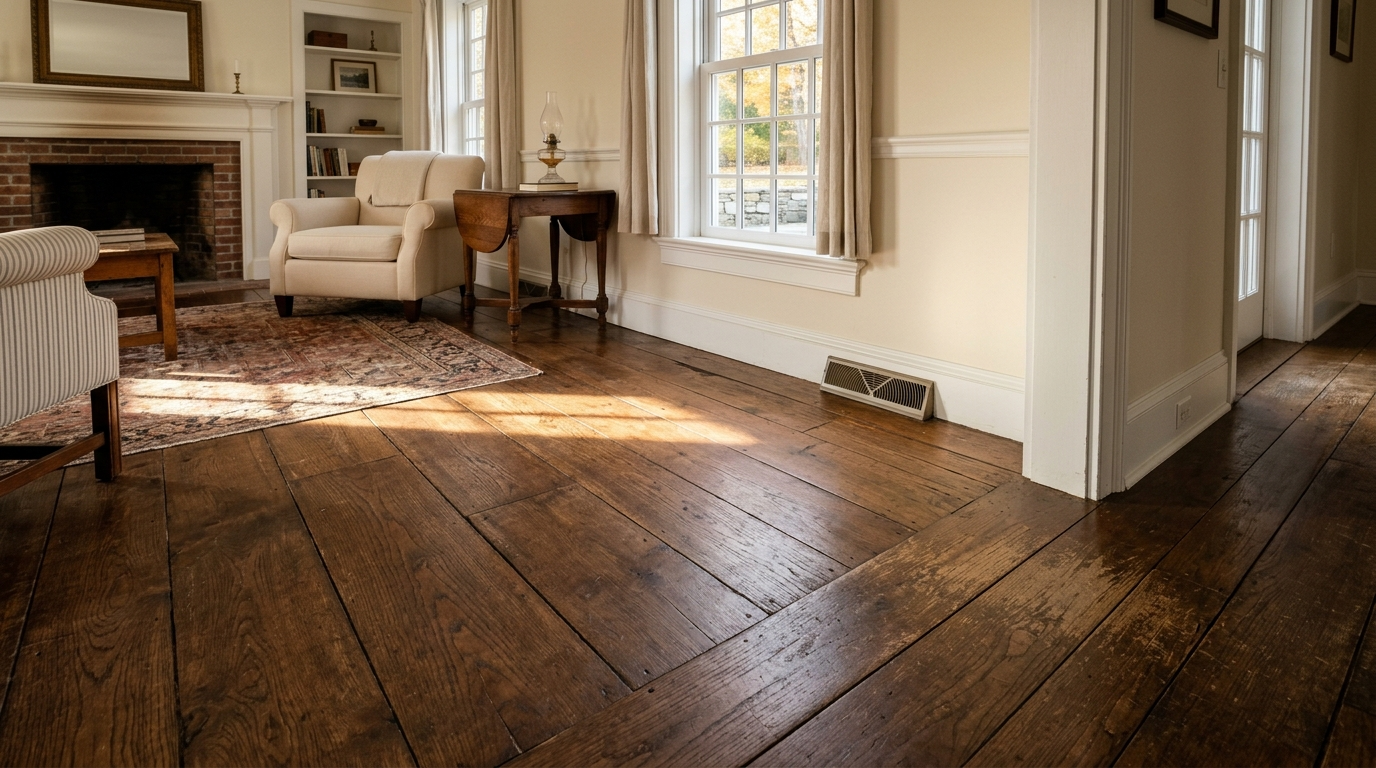
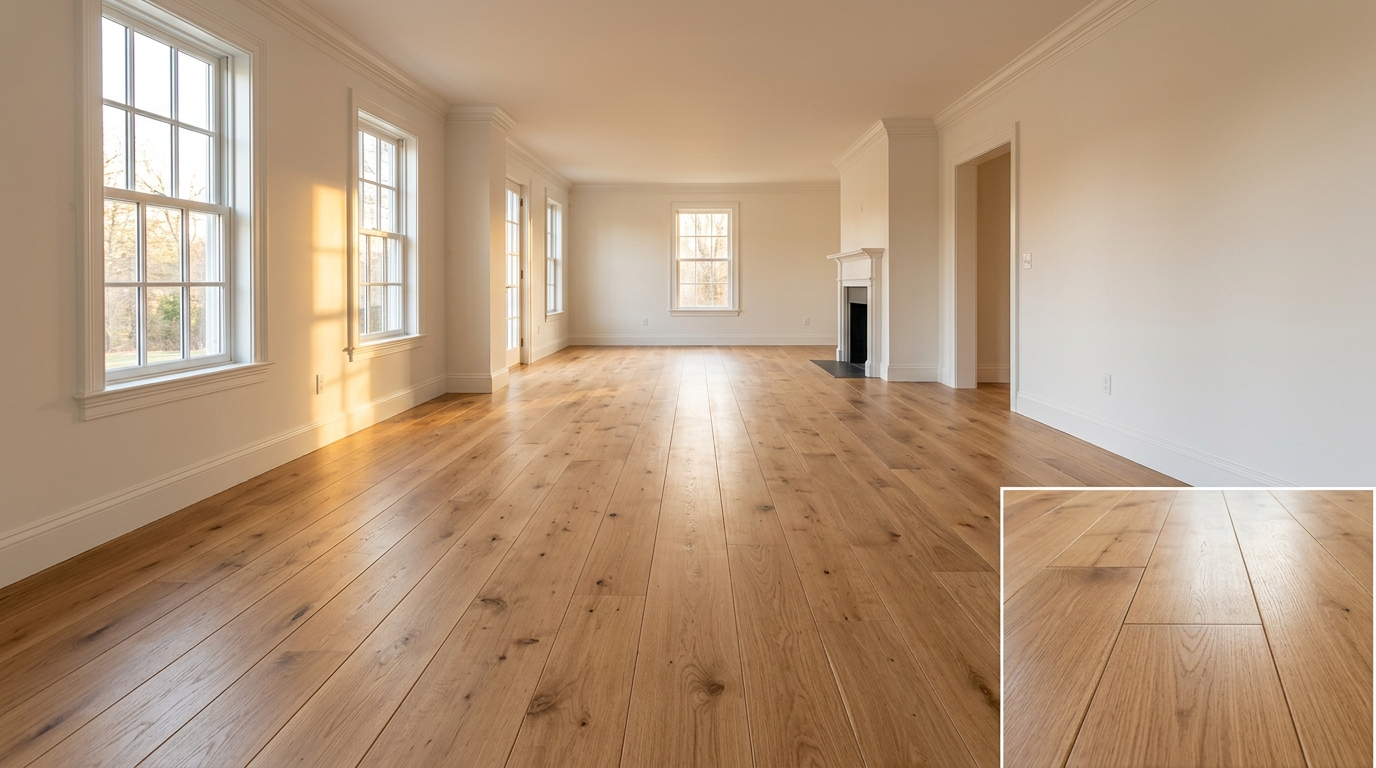
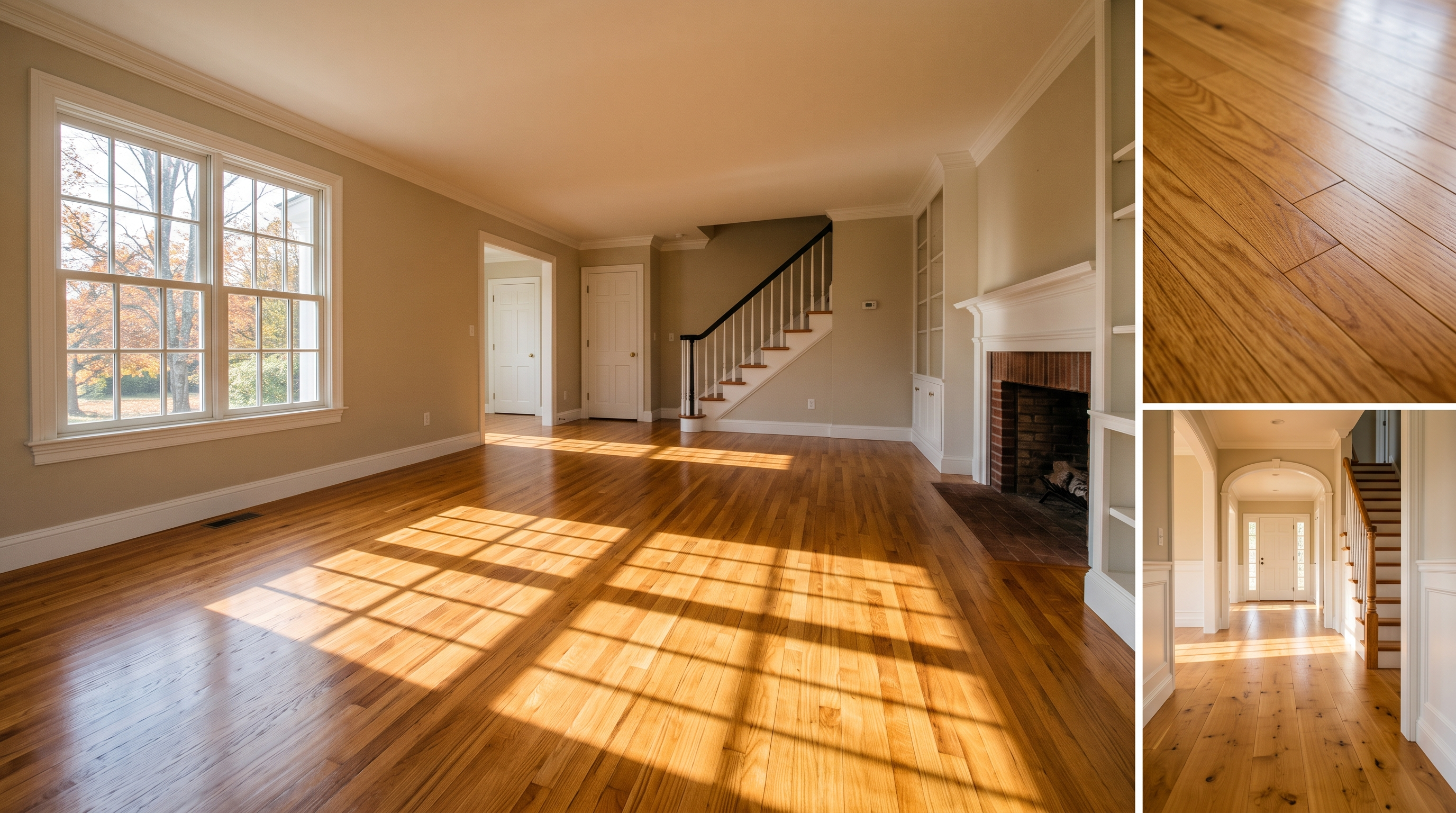
Sanded Last Summer and Already Dull? Here's Why That Happens
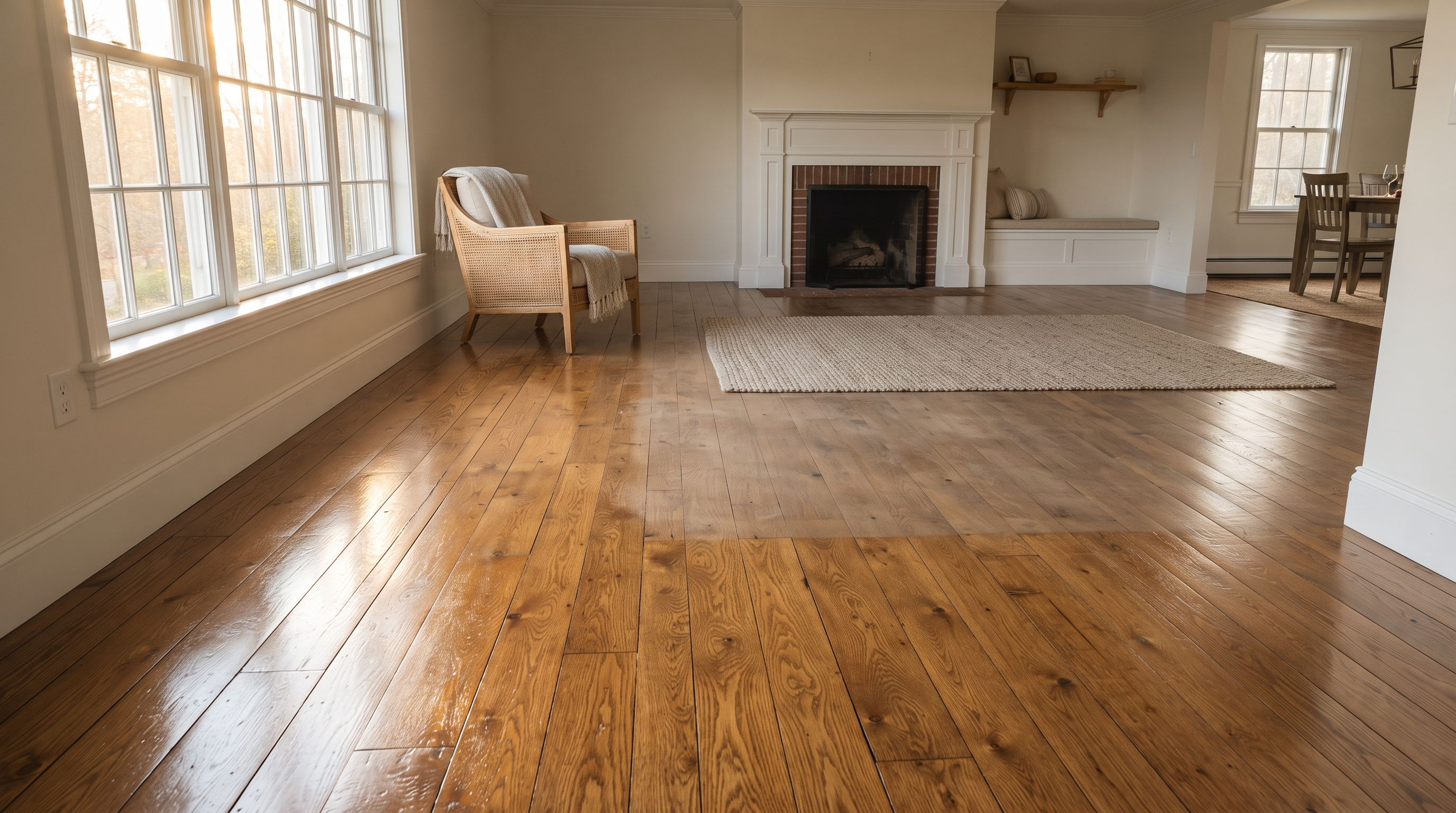
You paid for professional hardwood floor refinishing in CT, the crew left, and the floors looked incredible. Then three, four, maybe six months later, the sheen was gone. The finish looked flat. You assumed the contractor cut corners, or the product was cheap. The frustrating truth: early failure almost never traces back to the product or the application. It traces back to what happened in the weeks immediately after the crew packed up and left.
Most homeowners have no idea there is a 30-day window after hardwood floor sanding and refinishing CT crews complete their work. What you do during that window, and what your house does, determines whether that finish lasts three years or twelve.
The Finish Looked Great on Day One Because It Was Still Soft
Waterborne polyurethane, the most common finish used in modern refinishing, cures through a chemical process that takes time. It looks dry within hours. It feels dry within a day. But full cure, the point where the finish reaches its rated hardness and scratch resistance, takes 21 to 30 days under normal conditions.
During that window, the surface is vulnerable in ways most homeowners don't expect. Area rugs placed too soon trap moisture beneath them and soften the finish unevenly. Furniture legs without proper pads concentrate pressure on a surface that hasn't hardened yet. Even a dog's nails, trotting across an uncured floor repeatedly, can leave micro-scratches that accumulate into a visible dull pattern before the finish ever had a chance to prove itself.
The floor didn't fail. It never fully cured. Those are two very different problems with very different solutions.
For a deeper look at how different finish chemistries behave after application, see our guide on hardwood floor finishes, science, and protection.
Connecticut Summer Humidity Attacks New Finish from Below
Here's the part that catches even careful homeowners off guard. Moisture doesn't just fall on your floor from spills. It moves through the wood itself in response to the humidity in your home.
Connecticut's shoreline towns, from Branford and Guilford down through Madison, Clinton, and Old Lyme, sit in a climate band where summer relative humidity regularly climbs above 70 percent. When that happens, the wood beneath a fresh finish swells. As it swells, it presses up against a finish that may still be curing. The result is a finish that clouds, loses adhesion in small spots, or develops a milky haze that looks like surface damage but is actually a moisture problem working from underneath.
We see this most often in homes where the air conditioning wasn't running during or immediately after the refinishing job. A crew finishes on a Thursday in July, the homeowner goes away for the weekend without leaving the AC on, and by Monday the humidity inside the house has spiked. The finish pays the price.
The ideal interior humidity range during and after refinishing is 35 to 55 percent. A basic digital hygrometer, available at any hardware store for under twenty dollars, tells you exactly where your home sits.
The Wrong Cleaning Product Does More Damage Than Foot Traffic
A freshly refinished floor gets dirty, homeowners want to clean it, and they grab whatever is under the sink. That decision compounds over months.
Oil soaps strip the finish. Steam mops drive moisture directly into the wood through the finish layer. Vinegar, despite its reputation as a natural cleaner, is acidic enough to degrade polyurethane with repeated use. Multi-surface sprays often leave a residue that builds up into a film that looks like a dull finish but is actually product buildup sitting on top of the actual finish.
We regularly see floors that look prematurely dull because of cleaning product damage, not wear. The finish itself is still intact. A professional buff and recoat resolves it without a full sand. But if the homeowner has been using the wrong product for six months, the damage compounds, and at that point a full refinish is often the only clean solution.
For the complete protocol on keeping a refinished floor looking right, see our maintenance guide on how to maintain hardwood and vinyl floors.
A Dull Floor Doesn't Automatically Mean You Need a Full Sand
Before you call anyone or spend money on anything, run this test. Press your fingernail firmly across a low-traffic area. No scratch means the finish layer is likely intact. The dullness is surface contamination or a partial moisture issue, and a buff and recoat resolves both without removing more of the wood's thickness. Visible scratches through to bare wood in multiple areas point to a full refinish.
That distinction saves homeowners hundreds of dollars when they know it before they make the call. The right diagnosis matters more than any service recommendation.
What Homeowners Ask Us When Their Floors Lose Shine Too Soon
The floor looked dull after two months. Is that normal, or did something go wrong?
Two months is too soon for normal wear. That timeline almost always points to one of three causes: curing interference in the first 30 days, a humidity spike before the finish hardened, or cleaning products that broke down the finish surface. None of those are product defects. They are all fixable, and in most cases a buff and recoat restores the floor without a full sand.
I paid good money and this doesn't look like what I paid for. What are my options?
That frustration is fair. If the finish was applied correctly and dulling happened due to post-job conditions, the contractor isn't automatically at fault. But a good contractor will walk the floor with you, diagnose what happened, and give you an honest assessment: recoat or correction. Be skeptical of anyone who won't come back and look at what they left behind.
Will refinishing again fix it, or will the same thing happen a second time?
If you understand what caused the early failure, it will not repeat. The second refinish holds if you control humidity during curing, wait 30 days before rugs and heavy furniture, and use only pH-neutral hardwood-specific cleaners afterward. We go over all of this with every homeowner before we leave the job.
My contractor said they used a dustless system. Does that affect how the finish cures?
No. Dustless sanding removes the fine particulate that would otherwise settle into a wet finish and create a gritty texture. It does not change the chemistry of how the finish cures. What matters after the job is temperature, humidity, and what touches the floor in the first 30 days.
I don't want to call a contractor and have them tell me I need a full refinish just to sell me one. How do I know I'm getting a straight answer?
Run the fingernail test first. No scratch in a low-traffic area means your finish is likely still intact and a recoat is probably all you need. If a contractor walks your floor and immediately recommends a full sand without explaining what they saw and why, that's a red flag. A straight answer should include what caused the problem, not just what it costs to fix it.
If Your Floor Is Already Dull, Here Is the Honest Next Step
AGW Hardwood Floors has been doing this work in Connecticut since 1961. We are BONA Certified Craftsmen and NWFA trained installers, licensed in Connecticut under Home Improvement Contractors License #0630350. We have seen every version of this situation across homes in Guilford, Madison, Old Lyme, Wallingford, New Haven County, and Middlesex County. We know the difference between a contractor error and a post-job condition problem, and we will tell you which one you are dealing with.
If your floor was refinished in the last 12 months and it doesn't look like it should, call us at (203) 640-3106. We will come out, walk the floor, and give you a straight answer about what happened and what it takes to fix it. You will leave that conversation knowing exactly what caused the problem and exactly what it costs to correct it, with no pressure toward services you don't need.
Schedule your free in-home estimate by calling (203) 640-3106.
Contact Us
Check out other hardwood flooring blogs from AGW: