Choosing Hardwood Floors That Match Your Interior Design
The right hardwood floor does more than cover your subfloor - it anchors the entire visual design of your home. The species, stain tone, plank width, and finish all influence how your flooring interacts with cabinetry, furniture, wall colors, and natural light. When chosen thoughtfully, hardwood flooring becomes the design foundation that ties every room together.
Why Hardwood Floors Are the Foundation of Interior Design
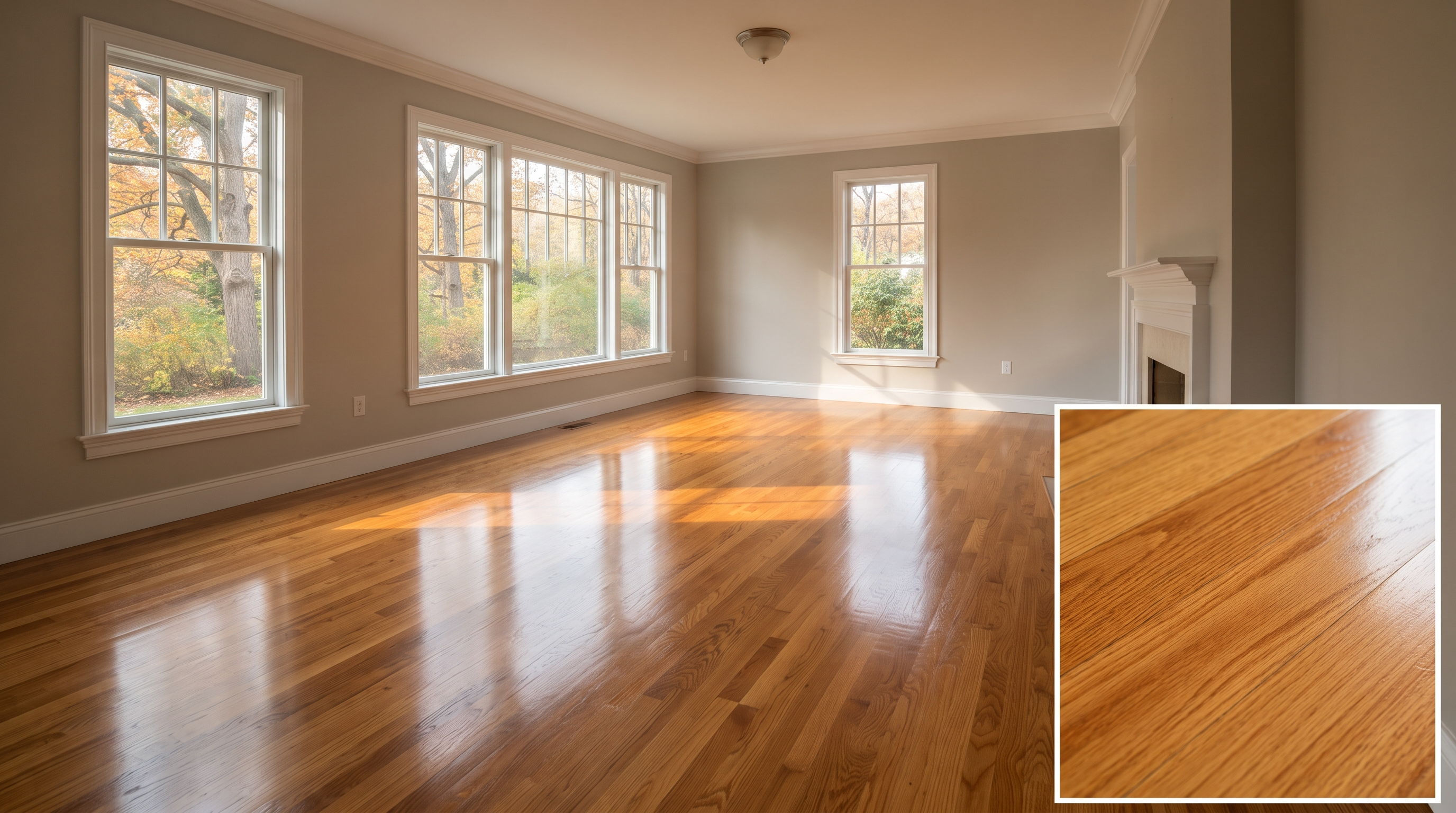
Flooring is one of the largest visual surfaces in any home. Because it runs continuously across rooms, it naturally sets the tone for the entire interior. The color and texture of hardwood floors influence how bright a space feels, how warm it appears, and how other design elements stand out.
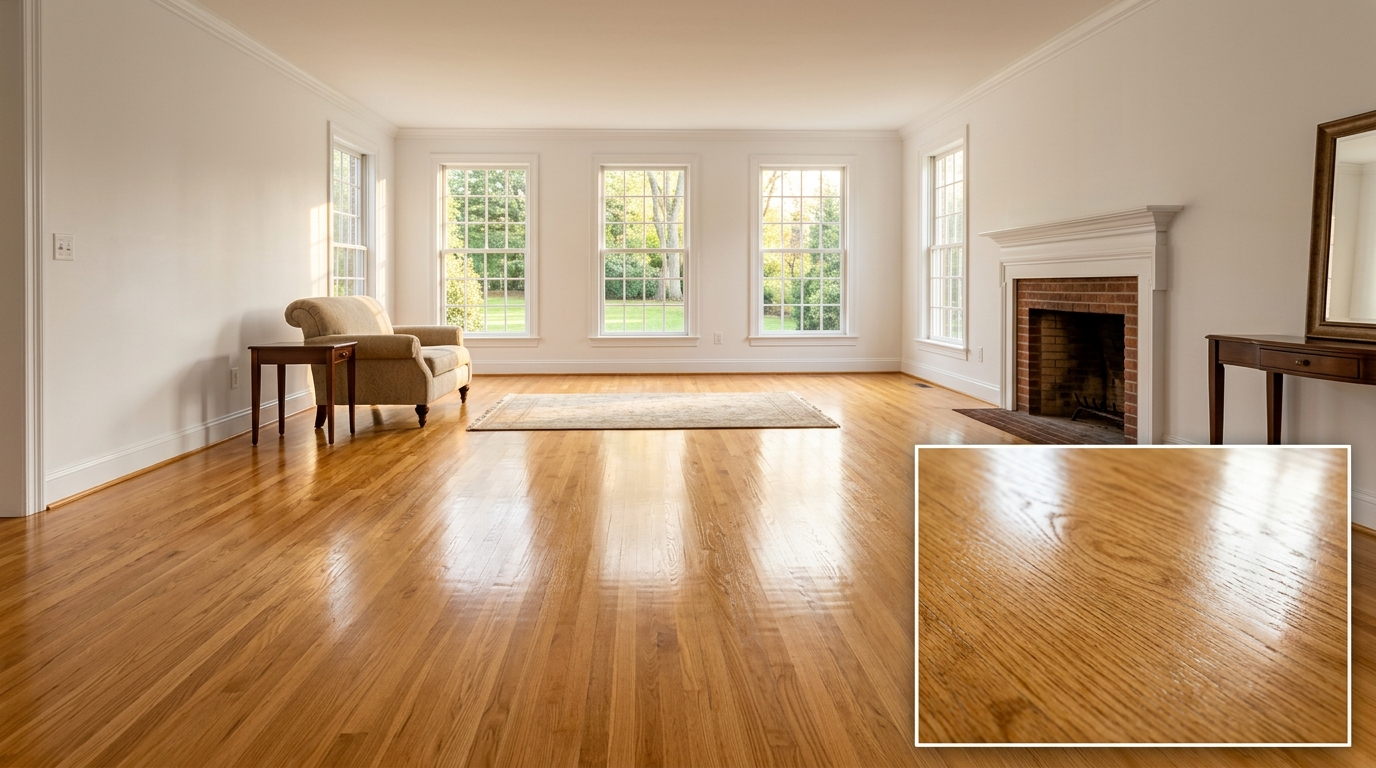
A lighter white oak floor can make a room feel open and modern, while a warm medium oak tone can create a classic, welcoming environment. Rich darker floors often introduce formality and contrast that works well with traditional furnishings.
Interior designers often treat hardwood flooring as the base layer of a design palette. Once the floor is established, wall colors, cabinetry, textiles, and furniture can all build upon that foundation in a way that feels cohesive and balanced.
When the floor complements the overall style of the home, the result is a space that feels intentional rather than pieced together.
Common Hardwood Flooring Mistakes That Affect Interior Design
One of the most common mistakes homeowners make is choosing flooring based on a small sample without considering how it will look throughout an entire room. A stain that looks appealing on a small board can feel completely different once it covers hundreds of square feet.
Another frequent issue is selecting a flooring color that clashes with existing architectural elements. Cabinets, trim, stair railings, and built-ins are long-term features of the home, so flooring should harmonize with them rather than compete for attention.
Some homeowners also focus heavily on trends. While popular stain colors come and go, hardwood floors are a long-term investment that should still look beautiful ten or twenty years from now. Timeless tones and balanced grain patterns typically age much better than highly stylized finishes.
A thoughtful approach considers both current design goals and long-term visual appeal.
How Hardwood Flooring Complements Different Interior Styles
Different design styles naturally pair with specific hardwood characteristics. Matching these elements can strengthen the overall aesthetic of the home.
Traditional interiors often benefit from classic wood species such as red oak or walnut with medium stains and consistent grain patterns. These floors support detailed millwork, crown molding, and traditional furniture without overpowering them.
Modern and contemporary homes typically lean toward cleaner grain patterns and wider planks. White oak with a natural or lightly stained finish creates a calm and minimal foundation that works well with sleek cabinetry and neutral palettes.
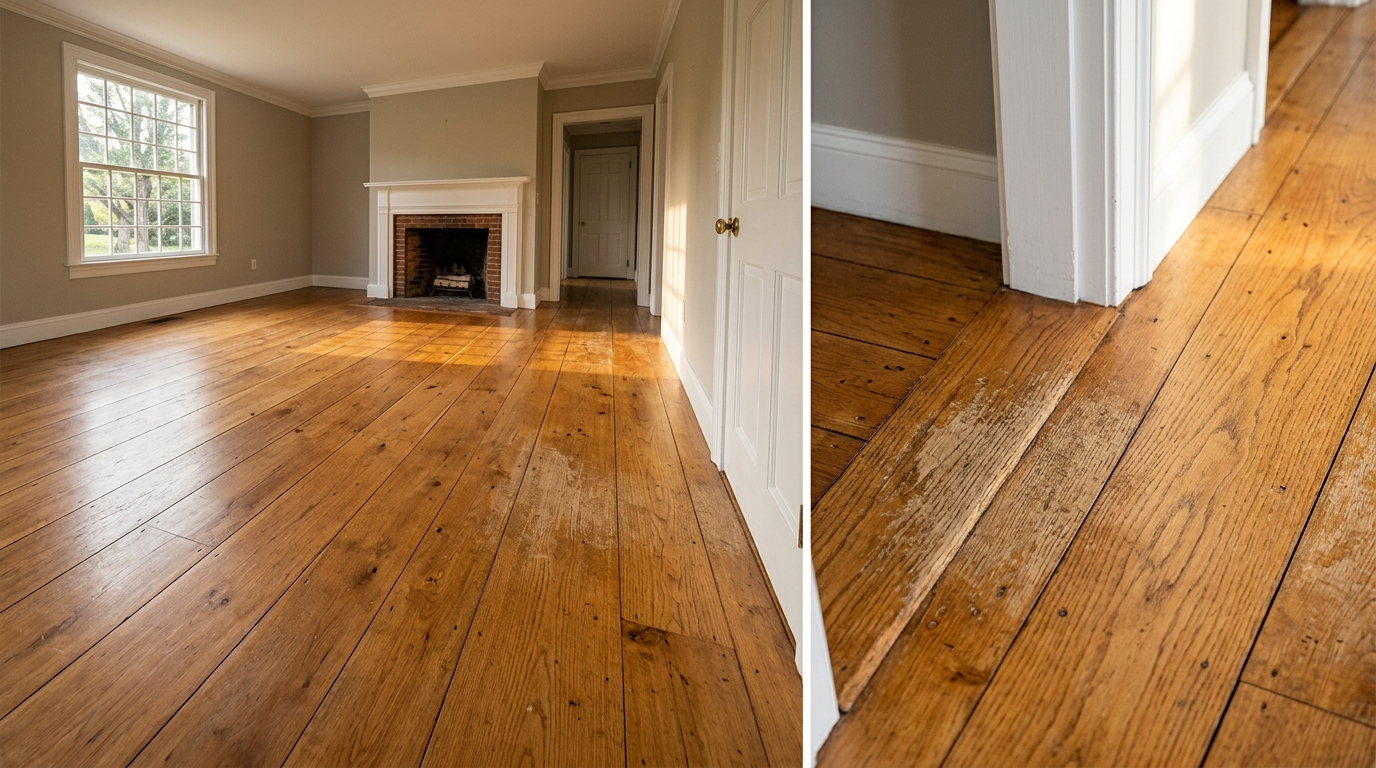
Farmhouse and rustic interiors often feature hardwood floors with more character. Subtle texture, natural variation, and warmer tones reinforce the relaxed and lived-in feel that defines these spaces.
Coastal or Scandinavian inspired homes frequently use lighter hardwood tones that reflect natural light. These floors help create the bright, airy atmosphere commonly associated with these design styles.
By aligning flooring choices with the broader design language of the home, each space feels visually connected.
When Design Matching Matters Most
Carefully matching hardwood floors to interior design becomes especially important in homes where flooring flows through multiple rooms.
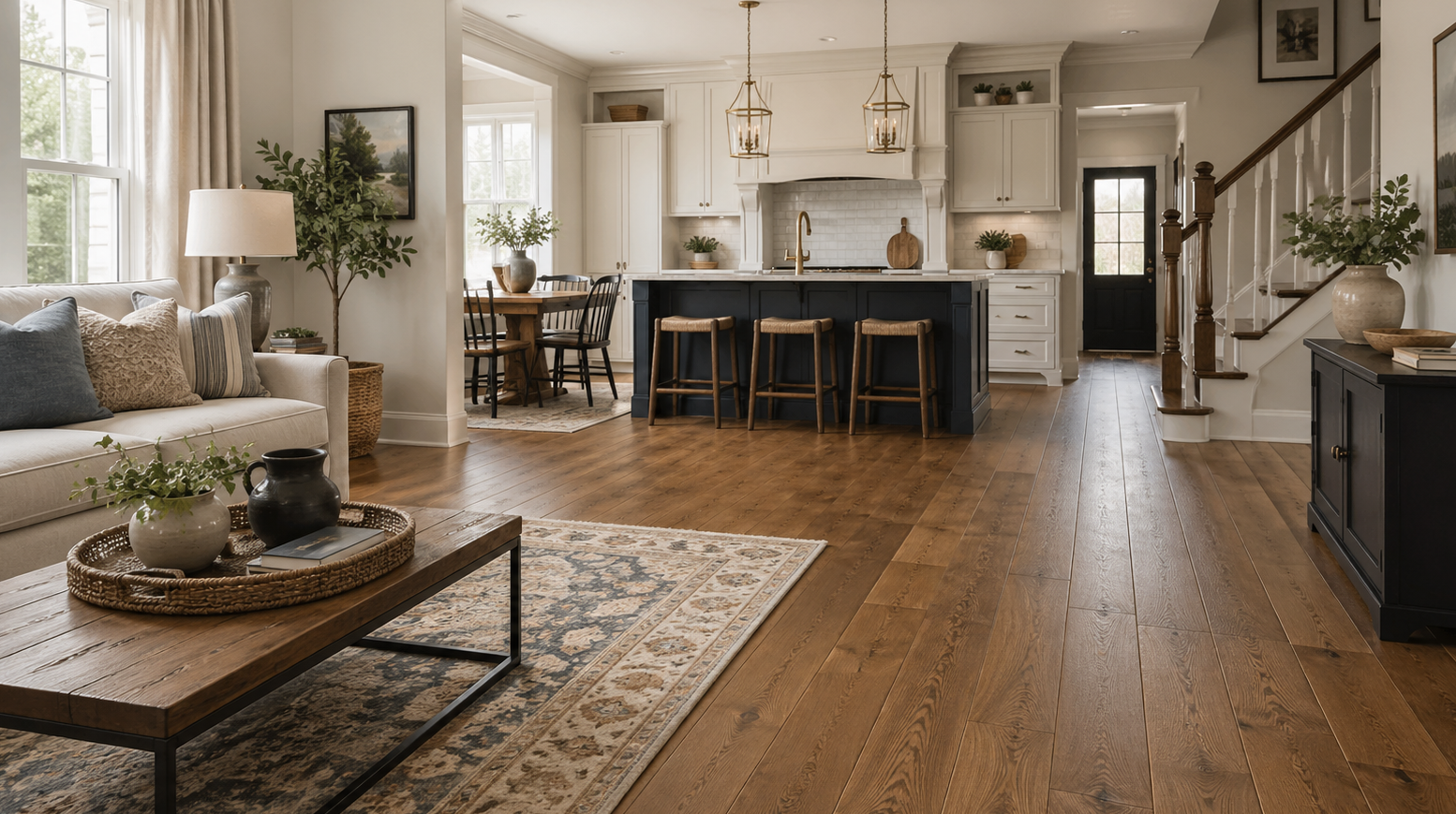
Open concept layouts, for example, place flooring directly alongside kitchens, dining areas, and living spaces. The hardwood floor must complement cabinetry, countertops, and furniture all at once.
Whole-home renovations also require thoughtful flooring selection because the floor becomes the unifying element throughout the house. A well-chosen hardwood floor helps connect spaces while still allowing individual rooms to express their own style.
Homes with strong architectural character benefit from this approach as well. Historic homes, classic colonials, and carefully designed modern houses all contain architectural cues that flooring should support rather than compete with.
Considering Architectural Character in New England Homes
Many homes throughout New England feature distinctive architectural details such as built-in cabinetry, detailed trim work, and classic staircases. Hardwood flooring should enhance these elements rather than distract from them.
Traditional species such as red oak and white oak often complement these homes beautifully because they reflect the historical materials used in the region. Their natural warmth and balanced grain patterns work well with both historic interiors and modern updates.
Seasonal climate changes also make professional installation especially important. Wood naturally expands and contracts with humidity shifts, so properly installed hardwood floors help maintain stability while preserving their visual beauty over time.
A floor that is both aesthetically aligned and professionally installed provides long-term performance as well as lasting design value.
What Professional Hardwood Flooring Design Guidance Looks Like
Working with experienced hardwood flooring professionals helps homeowners see the full design picture before installation begins. Flooring decisions are easier when they are viewed within the context of the entire space.
A professional consultation typically involves evaluating the lighting conditions, architectural features, and permanent elements already present in the home. Cabinet colors, trim profiles, countertops, and even natural light exposure can all influence how a hardwood floor will appear.
Large sample boards are often used so homeowners can see full planks in their actual space rather than relying on small showroom samples. This allows the grain pattern, tone variation, and finish to be viewed under real lighting conditions.
Professionals also consider how plank width, wood species, and finishing techniques will influence the final design. The goal is always to create a floor that feels naturally integrated with the home rather than visually disconnected.
Practical Steps for Choosing Hardwood Floors That Match Your Design
Choosing hardwood flooring becomes much easier when homeowners approach the process methodically. A few simple steps can help narrow the options and ensure the final result supports the home's interior design.
- Identify the overall style of the home and the atmosphere you want to create
- Evaluate fixed design elements such as cabinetry, trim, and countertops before selecting stain colors
Once these factors are clear, bringing home large flooring samples and viewing them throughout the day can provide valuable insight. Morning sunlight, afternoon brightness, and evening lighting all affect how hardwood tones appear.
Consulting with a knowledgeable hardwood flooring professional can also help translate design ideas into practical material choices that will look balanced once installed.
Frequently Asked Questions About Matching Hardwood Floors With Interior Design
Should hardwood floors match furniture colors?
Not exactly. Hardwood flooring should complement the overall palette of the room rather than match specific furniture pieces. A little contrast between flooring and furniture often creates a more balanced design.
Are lighter hardwood floors easier to design around?
Medium and lighter natural tones tend to offer the most flexibility. They pair well with a wide range of cabinet colors, wall tones, and furnishings while maintaining a timeless appearance.
Do wider planks change the look of a room?
Yes. Wider planks create a more modern and open visual effect because there are fewer seams across the floor. They can also make smaller spaces feel slightly larger.
Will stain color appear different after installation?
It often will. The final look depends on lighting, wood grain variation, and the finishing process. Viewing large samples in your home helps provide a more accurate preview.
Why Homeowners Trust AGW Hardwood Flooring
AGW Hardwood Flooring approaches every project with the craftsmanship and care that comes from generations of hardwood flooring experience. Flooring is not treated as a simple installation - it is considered an essential design element that shapes the look and feel of the entire home.
The team carefully evaluates architectural style, lighting conditions, and homeowner preferences before recommending wood species, plank widths, and stain tones. This thoughtful process ensures each floor complements the interior design while delivering the durability hardwood floors are known for.
AGW Hardwood Flooring is also known for precision installation and advanced dustless refinishing methods that protect the home while producing beautifully refined results.
Create Hardwood Floors That Elevate Your Home
When hardwood flooring aligns with your interior design, the entire home feels more cohesive, timeless, and inviting. The right species, tone, and finish can enhance architecture, highlight furnishings, and create a balanced visual foundation for every room.
If you are considering hardwood floor installation or refinishing, AGW Hardwood Flooring brings generations of craftsmanship and design expertise to every project. Contact AGW Hardwood Flooring today to explore flooring options that will beautifully complement your home's interior for years to come.
Contact Us
Check out other hardwood flooring blogs from AGW: