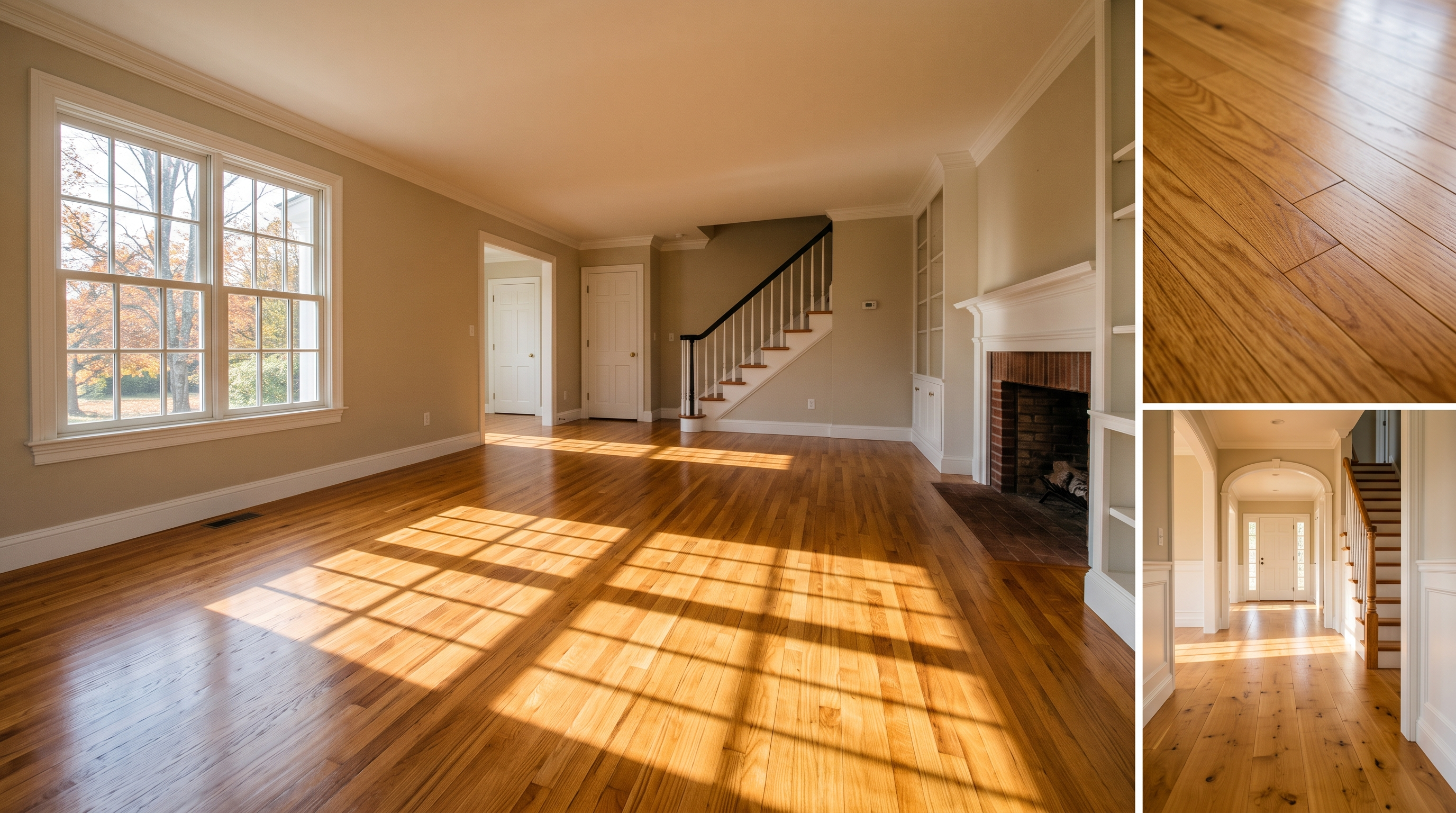
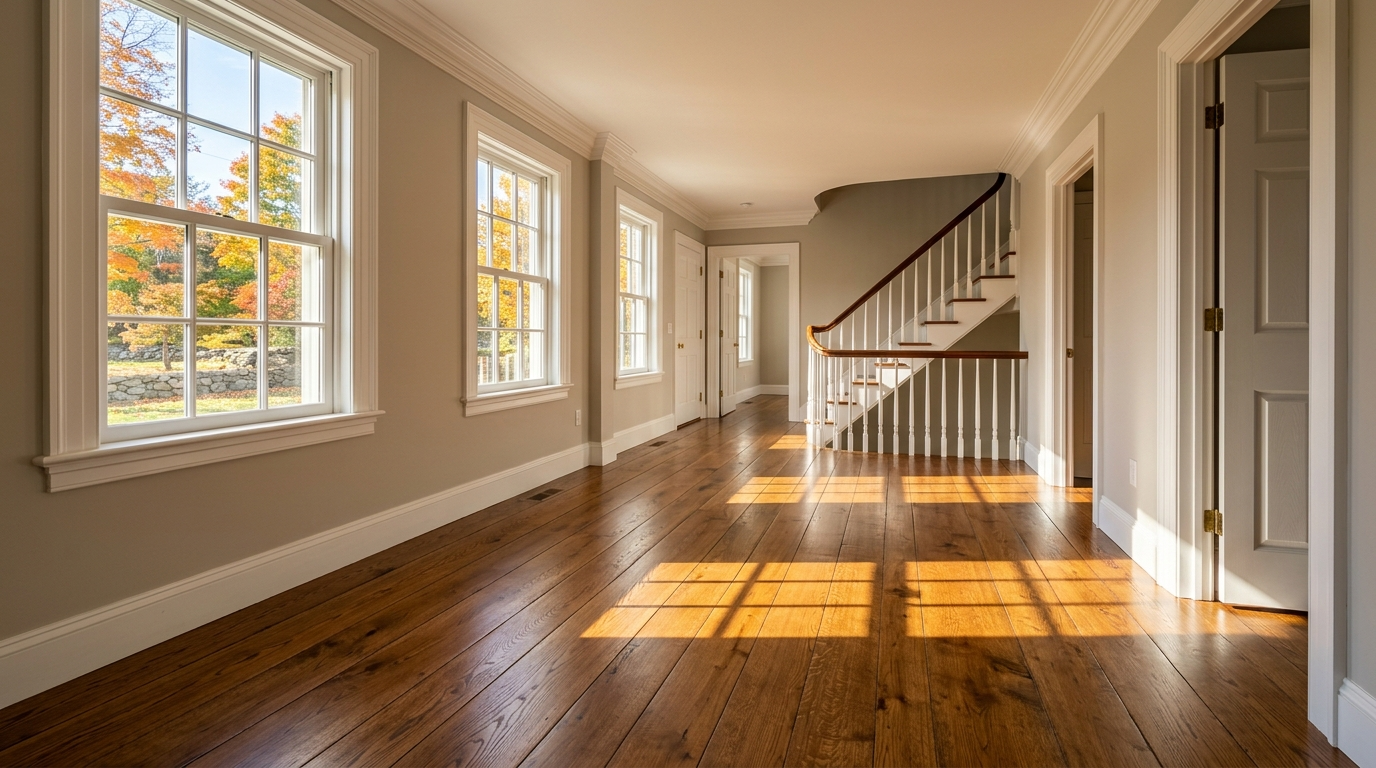
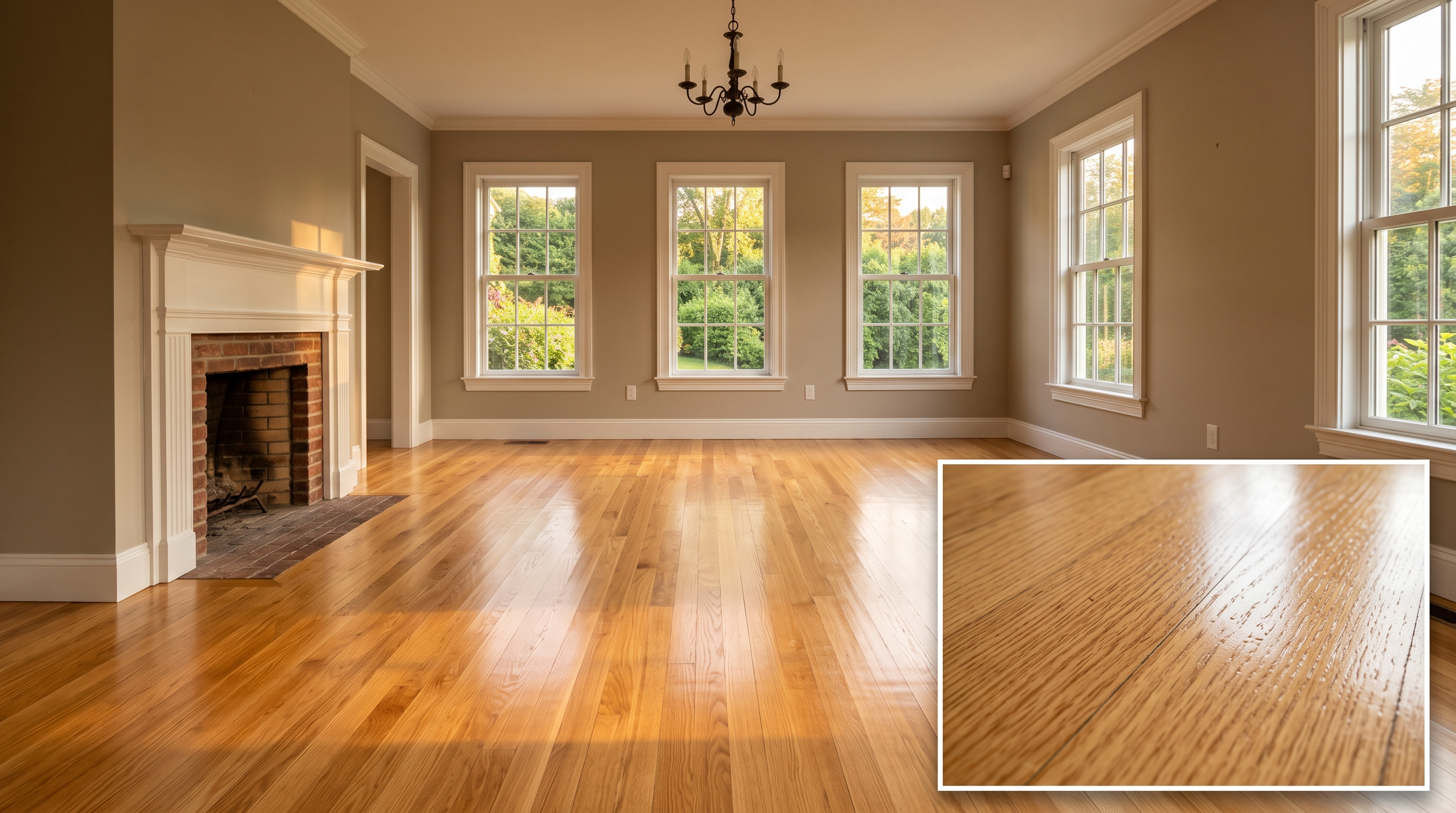
The Right Maintenance Habits Keep Hardwood and Vinyl Floors Looking Better for Longer
Floors do a quiet but demanding job every day. They absorb foot traffic, catch grit from outdoors, handle shifting seasonal conditions, and take the wear of everyday living without much attention until something starts looking dull, scratched, or tired. The good news is that most premature floor wear is not caused by one major mistake. It usually comes from small maintenance habits repeated over time. With the right approach, both hardwood and vinyl floors can stay attractive, durable, and easier to live with for years.
For homeowners, the key is understanding that hardwood and vinyl are not maintained the same way, even if they share the same home. Hardwood is a natural material with warmth, depth, and character, but it needs thoughtful care that respects how wood behaves. Vinyl is valued for resilience, practicality, and easier day-to-day upkeep, but it still benefits from proper cleaning methods and surface protection. Preserving both comes down to using the right routine, avoiding avoidable damage, and knowing when professional service adds value.
Why Floor Maintenance Matters More Than Most Homeowners Think
Many people assume floor maintenance is mostly about appearance. Appearance matters, of course, but preservation is the bigger issue. A floor that is cleaned correctly and protected consistently will usually last longer, perform better, and hold its visual appeal far more effectively than one that is cleaned aggressively or ignored until visible wear sets in.
That is especially true in busy households. Dirt, sand, and small debris act like abrasives under shoes and furniture. Moisture left too long can create problems that go beyond the surface. Cleaning products that seem harmless can gradually dull a finish or leave buildup that changes how the floor looks in natural light. These issues rarely happen all at once. They accumulate.
A good maintenance routine helps homeowners avoid unnecessary refinishing, prevent premature surface breakdown, and protect the long-term value of the flooring itself. That is true whether the home has traditional hardwood, luxury vinyl plank, or a combination of both.
How to Preserve Hardwood Floors Without Overcleaning Them
Hardwood rewards good care, but it does not respond well to excess. One of the most common mistakes homeowners make is assuming that more water, stronger cleaners, or frequent heavy-duty scrubbing will produce a better result. In reality, preserving hardwood usually means cleaning gently and consistently rather than aggressively.
Dry debris should be removed regularly with a soft broom, microfiber dust mop, or vacuum approved for hard surfaces. This helps prevent fine particles from grinding into the floor under daily traffic. When deeper cleaning is needed, use a hardwood-safe cleaner and a lightly damp microfiber mop rather than a wet mop. Excess moisture is one of the fastest ways to create avoidable wood-floor problems.
Hardwood also benefits from a stable indoor environment. Seasonal swings in humidity can affect how boards expand and contract, which is why climate consistency matters just as much as surface cleaning. In a New England home, that seasonal awareness is part of smart hardwood ownership.
The Best Way to Maintain Vinyl Floors Without Damaging the Wear Layer
Vinyl flooring is often chosen because it is durable and lower maintenance, but that does not mean it should be treated carelessly. The wear layer on vinyl is designed to hold up well, but it can still be dulled or scratched by poor cleaning habits, harsh tools, or residue-heavy products.
Regular sweeping or vacuuming helps remove grit before it can scuff the surface. For routine cleaning, a damp microfiber mop and a manufacturer-safe vinyl floor cleaner usually do the job well.
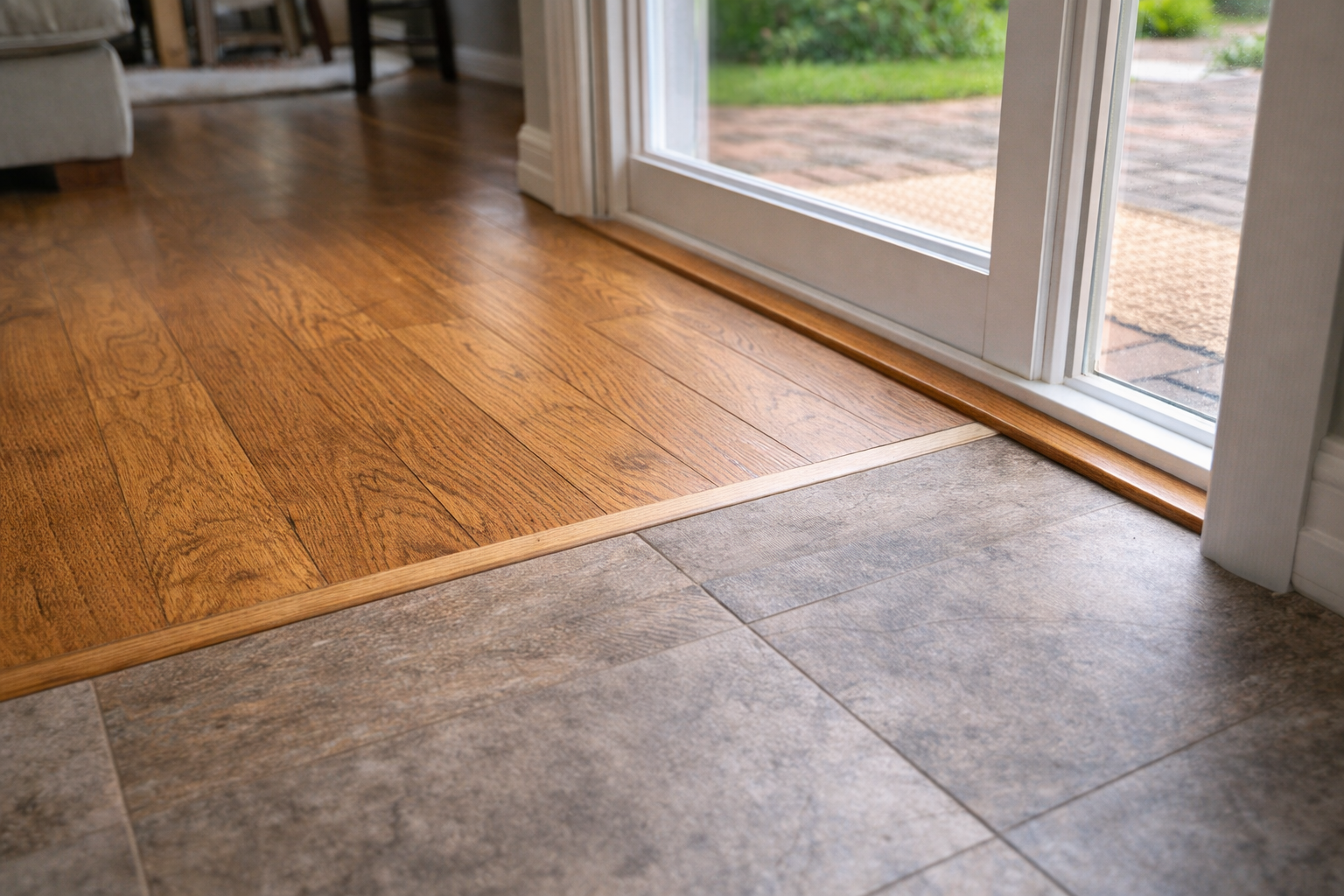
Vinyl generally handles moisture better than hardwood, but standing water should still be avoided, especially around seams, edges, and transitions where long-term exposure can create issues.
One of the most common vinyl maintenance mistakes is using abrasive pads or overly glossy products in an attempt to make the floor shine more. In many cases, that does not improve the floor at all. It just leaves residue, alters the look of the surface, or gradually compromises the finish clarity that made the floor appealing in the first place.
Daily and Weekly Habits That Prevent Long-Term Floor Wear
The best floor maintenance plans are usually simple enough to sustain. Preservation comes from steady habits, not occasional overcorrection. Households that protect floors well tend to do a few basic things consistently.
- Remove grit and dust regularly before it gets ground into the surface
- Wipe up spills promptly instead of letting moisture sit
- Use mats at entry points to catch debris before it travels through the home
- Add felt protection under furniture and check it periodically for wear
These habits matter because most floor damage is mechanical. It comes from repeated friction, trapped dirt, dragged furniture, and neglected moisture. A practical routine interrupts those patterns before they become visible problems.
For homes with children, pets, or heavy foot traffic, these small steps make an even bigger difference. High-use households do not necessarily ruin floors faster. They just need a more disciplined maintenance rhythm.
Who Benefits Most From a More Structured Floor Care Routine
Some homeowners can get away with a relatively light maintenance schedule because the home sees less traffic and fewer daily stressors. Others need to be more intentional. Families with large dogs, active kids, frequent guests, or direct exterior access tend to put more pressure on floor surfaces. Homes with open-concept layouts may also see more concentrated wear paths because the same travel lanes are used repeatedly.
This matters for both hardwood and vinyl. Hardwood may show scratches, finish wear, or seasonal sensitivity more clearly. Vinyl may resist moisture well but still develop surface dullness or edge wear if maintenance is careless. The point is not to overmanage the floor. It is to match the care routine to the way the home is actually lived in.
Homeowners preparing to sell also benefit from smarter floor care. Clean, well-preserved floors create a stronger visual impression and help the entire home feel better maintained. That is especially true when the flooring still has clarity, consistency, and a well-kept finish.
What Professional Floor Care Looks Like When Preservation Is the Goal
Professional flooring service should not begin only after a floor looks worn out. Good professional guidance helps homeowners preserve floors before avoidable damage builds up. That means understanding the material, recognizing the difference between surface dirt and finish wear, and knowing when a floor needs cleaning, repair, recoating, or full refinishing.
With hardwood, this distinction is especially important. A floor may look tired because of residue, light scratching, or finish wear rather than deep structural damage. An experienced hardwood professional can evaluate what the floor actually needs instead of recommending more work than necessary. Timing matters too. A floor addressed at the right stage can often be preserved more effectively than one left too long.
For AGW Hardwood Flooring, that practical judgment is part of the craftsmanship. The goal is not just to make a floor look better for the moment. It is to help homeowners protect long-term performance, preserve beauty, and make informed decisions about maintenance and restoration.
Practical Mistakes That Shorten the Life of Hardwood and Vinyl Floors
A surprising amount of floor damage comes from products or habits that seem harmless at first. The wrong cleaner, too much water, stiff-bristle tools, steam in the wrong application, or neglected furniture pads can all gradually reduce the life of a floor.
A few mistakes are especially common:
- Using excessive water on hardwood or letting spills sit too long on any floor
- Applying harsh, oily, or residue-heavy cleaners not intended for the material
- Dragging chairs, furniture, or heavy objects without surface protection
- Assuming vinyl is maintenance-free or that hardwood can handle any hard-surface cleaner
The best maintenance plans are usually the least dramatic. Clean gently. Protect the surface. Stay consistent. Bring in a professional before minor wear turns into a bigger project.
Common Questions About Preserving Hardwood and Vinyl Floors
How often should hardwood floors be cleaned?
Light debris should be removed as often as needed, especially in high-traffic areas. Deeper cleaning can be done with a hardwood-safe cleaner on a lightly damp microfiber mop as part of a regular routine.
Can the same cleaner be used on hardwood and vinyl?
Not always. Some products are safe for one surface and not ideal for the other. It is best to use a cleaner specifically approved for the flooring material you are maintaining.
Are vinyl floors completely waterproof?
Many vinyl floors are highly water-resistant, but that does not mean standing water should be ignored. Moisture can still affect seams, edges, and surrounding areas over time.
When should a hardwood floor be professionally evaluated?
If the floor is showing dullness, finish wear, scratches, movement concerns, or signs that regular cleaning is no longer restoring its appearance, a professional evaluation is a smart next step.
Why AGW Hardwood Flooring Is a Trusted Resource for Lasting Floor Performance
Floor preservation is not about gimmicks or quick shine. It is about understanding materials, respecting how they age, and using the right methods at the right time. That is where AGW Hardwood Flooring stands apart. With a refined New England craftsmanship approach and deep practical experience, the focus stays on results that last, not temporary cosmetic fixes.
Homeowners benefit from honest guidance, premium hardwood expertise, and service that takes long-term performance seriously. Whether the concern is preserving the beauty of a hardwood floor, understanding wear patterns, or knowing when maintenance should transition into professional restoration, that kind of experienced judgment matters.
Protect Your Floors Now So You Can Avoid Bigger Problems Later
Well-maintained floors do more than look clean. They support the feel, value, and durability of the entire home. With the right daily habits and the right professional guidance when needed, both hardwood and vinyl floors can stay in stronger condition for far longer than many homeowners expect.
If your floors are starting to show wear, or you want a smarter plan for preserving them before problems build up, AGW Hardwood Flooring can help you take the next step with clarity and confidence.
Contact Us
Check out other hardwood flooring blogs from AGW: