How Modern Finishes Protect and Preserve Wood Floors
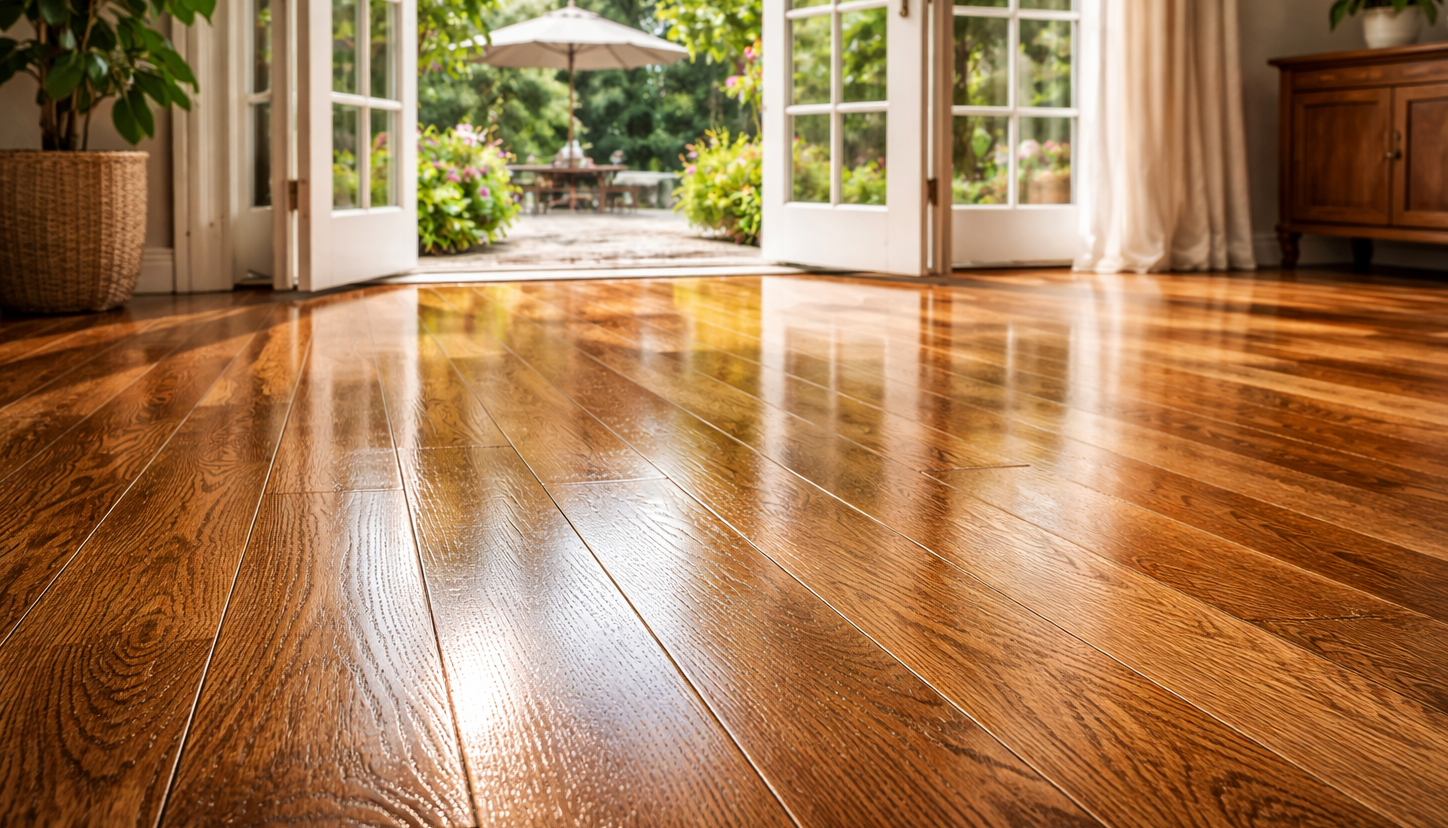
Hardwood floor finishes are far more than a cosmetic topcoat. The finish is a carefully engineered protective system that interacts with wood fibers at a chemical level to seal, strengthen, and defend the floor against daily wear. Modern hardwood finishes rely on advanced chemistry that creates durable bonds, improves abrasion resistance, and preserves the natural beauty of the wood for decades when properly maintained.
Understanding how these finishes work helps homeowners make informed decisions about refinishing, maintenance, and long term floor protection.
How Hardwood Floor Finishes Protect Wood at the Molecular Level
Wood is naturally porous and constantly interacts with its environment. It absorbs and releases moisture depending on humidity levels, which causes wood to expand and contract. Without a protective finish, hardwood floors would quickly stain, scratch, and degrade.
Hardwood floor finishes solve this problem by forming a protective film that seals the wood surface while bonding tightly to the grain.
Most modern finishes are polymer based coatings. When applied to sanded hardwood, the finish flows into microscopic pores in the wood. As it cures, the molecules cross link together, forming a hardened protective layer that becomes mechanically anchored to the wood fibers.
This curing process creates several critical protections.
• Abrasion resistance against foot traffic
• Moisture resistance that prevents stains and swelling
• Chemical resistance against household spills
• UV protection that slows wood color changes
The quality of this molecular bonding is one of the reasons professional refinishing produces dramatically better results than surface level coatings or quick fixes.
Oil Based vs Water Based Hardwood Finishes - The Chemistry Differences
Two main finish systems dominate professional hardwood refinishing today: oil based polyurethane and water based polyurethane. Each relies on different chemical curing mechanisms.
Oil based polyurethane cures through oxidation. Oxygen in the air reacts with the oils and resins in the finish, slowly hardening the coating into a durable film. This process produces a thicker layer and traditionally creates the rich amber tone many homeowners associate with classic hardwood floors.
Water based finishes use a different chemistry. These finishes contain polyurethane particles suspended in water. As the water evaporates, the particles fuse together and chemically cross link, forming an extremely durable and clear protective coating.
Key scientific differences between the systems include:
• Oil based finishes cure slower but create thicker films
• Water based finishes cure faster and remain crystal clear
• Water based finishes produce lower VOC emissions
• Oil based finishes naturally deepen wood color over time
The right choice depends on the homeowner's aesthetic goals, timeline, and the specific species of hardwood.
Why Professional Sanding Is Critical for Finish Bonding
For a finish to perform properly, the wood surface must be prepared with precision sanding. This step is where the science of refinishing begins.
Professional sanding removes old coatings and levels the floor while creating the optimal surface profile for the new finish to bond. Each sanding grit progressively refines the wood surface while opening microscopic pores.
If sanding is uneven or incomplete, the finish cannot properly anchor to the wood. This leads to premature wear, peeling, or cloudy results. High quality refinishing systems use dust controlled sanding equipment that removes old finishes while protecting indoor air quality. This approach produces a clean, consistent wood surface that allows the finish to cure evenly.
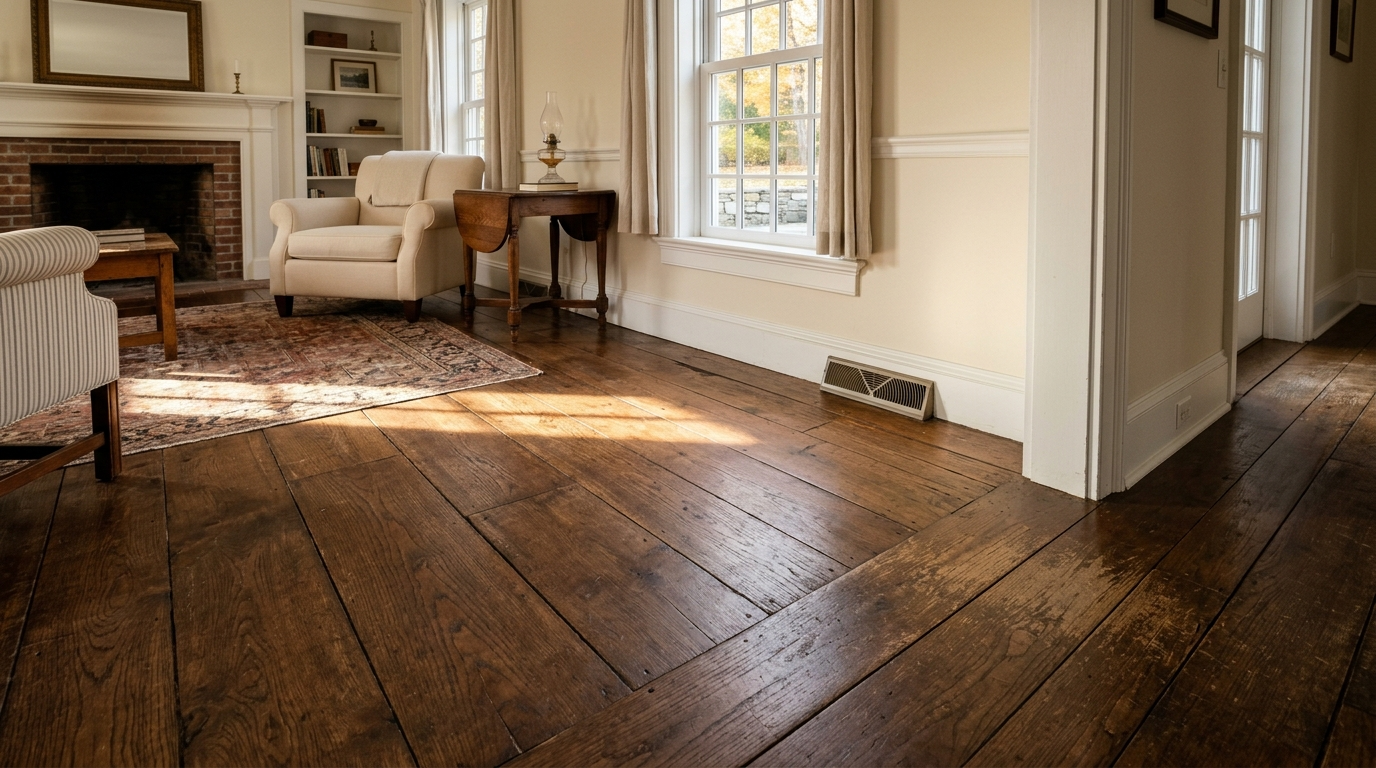
For older homes with historic hardwood floors, proper sanding is especially important to preserve the integrity of the wood while preparing it for modern finish systems.
How Modern Finishes Resist Scratches and Wear
Hardwood floor finishes are engineered to resist abrasion through polymer cross linking. During curing, molecules connect into long chains that form a dense protective film. The tighter and more complex this molecular structure becomes, the more resistant the finish is to scratching and wear.
Professional grade finishes often contain aluminum oxide or ceramic particles that dramatically increase abrasion resistance. These microscopic reinforcements strengthen the coating without affecting the natural appearance of the wood. The result is a finish that can withstand years of daily traffic from shoes, pets, and furniture movement.
However, even the most advanced finish systems eventually wear down in high traffic areas. Periodic maintenance and refinishing restore the protective layer before the wood itself becomes damaged.
Why Dustless Refinishing Improves Finish Performance
One of the most important advancements in modern hardwood floor refinishing is dust containment technology. Traditional sanding filled homes with fine wood dust that could settle back onto floors during finishing.
Even microscopic dust particles can interfere with the curing process, creating bumps or weak points in the finish. Dustless refinishing systems capture the majority of airborne dust directly at the sanding equipment. This produces a dramatically cleaner work environment and allows the finish to cure smoothly and evenly.
For homeowners, this means cleaner air, smoother finishes, and more consistent long term durability. It is also especially beneficial in homes with sensitive occupants, fine furnishings, or historic interiors.
When Hardwood Floors Need Professional Refinishing
Over time, even well protected floors will begin to show signs of finish wear. Recognizing these signs early helps prevent deeper damage to the wood itself.
Common indicators that refinishing may be needed include:
• Visible scratches that expose bare wood
• Dull areas in high traffic pathways
• Gray or worn looking spots near entrances
• Floors that absorb water instead of repelling it
Addressing finish wear early allows the floor to be restored through refinishing rather than requiring costly board replacement.
Why Skilled Craftsmanship Still Matters in Hardwood Finishing
While modern finishes rely on advanced chemistry, the final performance of a hardwood floor still depends heavily on craftsmanship.
Proper sanding technique, precise finish application, controlled drying conditions, and careful inspection all play a role in achieving a durable and beautiful result. Experienced hardwood professionals understand how different wood species react to finishes, how humidity affects curing, and how to apply coatings for consistent protection across the entire floor.
For homeowners, this expertise ensures that the science behind modern finishes actually delivers the long term durability and beauty hardwood floors are known for.
Trust AGW Hardwood Flooring for Expert Hardwood Floor Refinishing
At AGW Hardwood Flooring, refinishing is treated as both a science and a craft. With generations of hardwood flooring experience, the team combines advanced dustless sanding systems with professional grade finishes designed to protect floors for years to come.
Every project begins with careful evaluation of the existing floor, followed by precise preparation and expert finish application that enhances the natural character of the wood while maximizing durability. If your hardwood floors have lost their luster or are beginning to show signs of wear, professional refinishing can restore their beauty while strengthening their long term protection.
Contact AGW Hardwood Flooring today to schedule a consultation and discover how expert refinishing can bring your hardwood floors back to life while preserving the craftsmanship of your home.
Contact Us
Check out other hardwood flooring blogs from AGW: