The Acoustic Benefits of Hardwood Floors
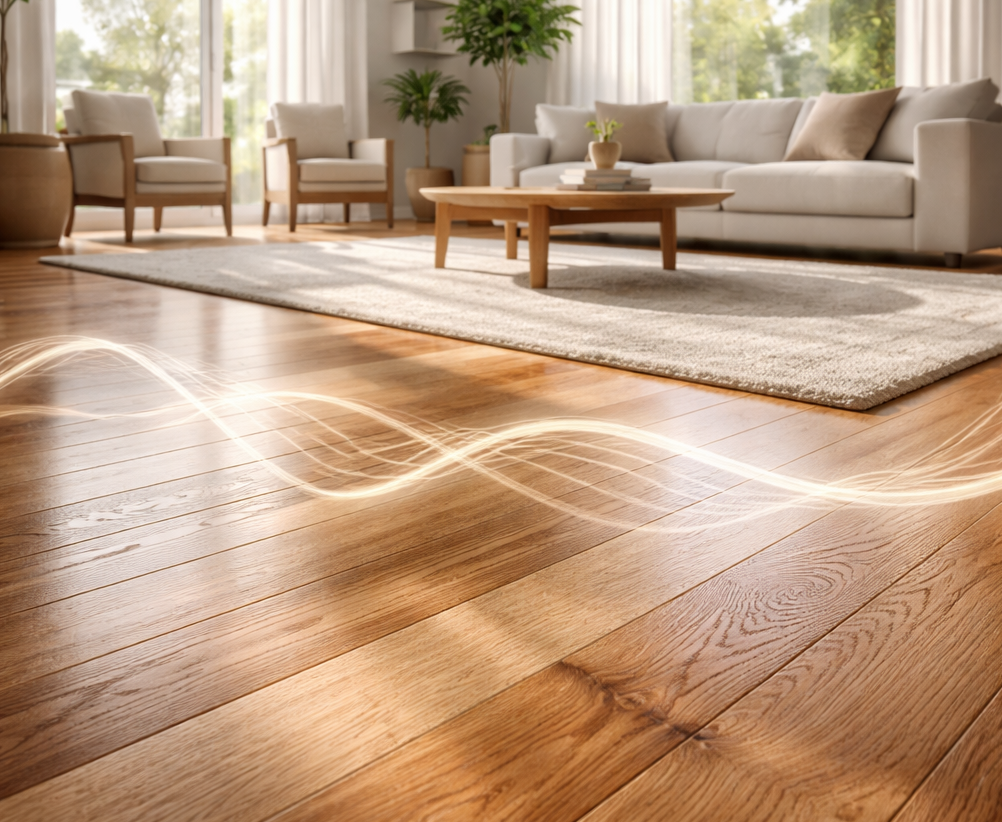
Hardwood flooring is widely known for its beauty, durability, and long-term value, but many homeowners are surprised to learn that it can also influence the acoustics of a living space. The way sound travels through a room depends heavily on the materials within it, including floors, walls, ceilings, and furnishings. Hardwood floors, when properly installed and paired with thoughtful design choices, can contribute to a balanced acoustic environment that enhances clarity, reduces unwanted noise buildup, and improves overall comfort within the home.
For homeowners renovating or building a space, understanding how hardwood floors interact with sound can help create rooms that feel not only elegant but also acoustically comfortable.
How Hardwood Floors Influence Sound in the Home
Sound behaves differently depending on the surfaces it encounters. Hard, dense materials such as hardwood reflect sound waves, while softer materials like carpeting absorb them. At first glance, this may make carpet appear to be the superior option for quiet spaces. However, the acoustic performance of a room depends on more than simple sound absorption.
Hardwood floors provide a stable and consistent surface that helps sound travel evenly through a space. This can create clearer sound distribution compared to overly absorbent flooring that muffles sound unevenly. In many homes, hardwood flooring contributes to balanced acoustics by preventing the dull, dampened effect sometimes created by wall-to-wall carpet.
In rooms used for conversation, music, or entertainment, this clarity can improve how sound carries and how voices or instruments are perceived.
Balanced Sound Reflection Improves Clarity
One of the key acoustic advantages of hardwood flooring is its ability to reflect sound in a controlled way. Rather than trapping sound within soft fibers, hardwood allows sound waves to move through the room and disperse naturally.
This reflection contributes to sound clarity. Conversations tend to feel more natural, and sound systems or musical instruments often perform better in rooms where sound can travel freely without becoming muddy or distorted.
When paired with furnishings such as area rugs, upholstered furniture, and curtains, hardwood flooring becomes part of a balanced acoustic environment where reflection and absorption work together. The result is a room that feels lively without becoming overly echo-prone.
Hardwood Flooring and Structural Sound Stability
Another important acoustic benefit of hardwood flooring is its structural stability. High-quality hardwood floors installed over a properly prepared subfloor provide a solid, dense surface that minimizes vibration and unwanted structural noise.
Loose or poorly installed flooring materials can produce creaks, rattles, or hollow sounds when walked on. Professional hardwood installation addresses these concerns through proper fastening techniques, subfloor preparation, and moisture management.
This solid installation creates a quieter walking surface and reduces the kinds of structural noise that can travel through floor assemblies between rooms or levels of a home.
Why Hardwood Floors Work Well in Music and Entertainment Spaces
Many music studios, performance spaces, and rehearsal rooms rely on hardwood flooring for acoustic reasons. While residential environments differ from professional studios, the same principles apply.
Hardwood floors support clearer sound projection and help maintain tonal balance. In spaces where homeowners play instruments, enjoy home audio systems, or host gatherings, the natural sound reflection provided by hardwood flooring can enhance the listening experience.
Instead of overly dampened sound that loses energy, hardwood floors contribute to an environment where sound remains vibrant and intelligible.
Reducing Noise Through Smart Design
Although hardwood reflects sound, that does not mean rooms must feel noisy or echo-filled. Thoughtful interior design balances reflective surfaces with soft elements that absorb excess sound energy.
This combination allows homeowners to enjoy the clarity hardwood provides while preventing harsh echoes or reverberation.
Common acoustic balancing elements include:
- area rugs that soften foot traffic and absorb high-frequency sound
- upholstered furniture that reduces sound reflections
- curtains or drapery that limit echo near windows
- wall art or shelving that breaks up large reflective surfaces
These design elements work with hardwood flooring rather than against it, creating spaces that feel both acoustically comfortable and visually refined.
Who Benefits Most From Hardwood Floor Acoustics
Homeowners who appreciate clear sound environments often notice the difference hardwood flooring can make. Living rooms, dining rooms, libraries, and home offices frequently benefit from the balanced acoustics hardwood provides.
Families who enjoy music, host gatherings, or use home entertainment systems often find that hardwood floors support better sound projection and clarity. Even everyday conversations can feel more natural when sound travels evenly throughout a space.
Because hardwood flooring is both durable and acoustically stable, it remains a popular choice for homeowners seeking a long-term flooring solution that enhances multiple aspects of indoor comfort.
The Role of Professional Installation in Acoustic Performance
The acoustic performance of hardwood floors depends heavily on proper installation. Subfloor preparation, fastening techniques, and material selection all influence how the floor interacts with sound and vibration.
Professional installers evaluate the condition of the subfloor, address uneven areas, and ensure that boards are installed securely. Proper installation reduces hollow sounds, prevents unnecessary movement, and helps create the solid surface that contributes to stable acoustics.
In multi-level homes, installers may also recommend underlayment or structural improvements that reduce sound transfer between floors while maintaining the natural acoustic qualities of hardwood.
Frequently Asked Questions About Hardwood Floors and Acoustics
Are hardwood floors louder than carpet?
Hardwood floors reflect sound rather than absorbing it, which can make a room feel more lively. However, with proper furnishings and design elements, hardwood can create balanced acoustics without excessive noise.
Can hardwood flooring reduce structural noise?
Yes. When installed properly over a stable subfloor, hardwood flooring can minimize creaks and vibrations that sometimes occur with lower-quality flooring systems.
Are hardwood floors good for music rooms?
Hardwood flooring is commonly used in spaces where sound clarity is important. It allows sound to travel naturally and helps maintain tonal balance.
Do hardwood floors cause echo in a room?
Echo is usually caused by multiple hard surfaces without any sound absorption. Adding area rugs, furniture, and soft décor elements helps maintain comfortable acoustics.
Why Homeowners Trust AGW Hardwood Flooring
AGW Hardwood Flooring brings generations of craftsmanship and experience to every installation. Hardwood flooring is not simply a surface - it is a long-term investment in the beauty, performance, and comfort of a home.
Each project begins with careful preparation and precise installation techniques designed to ensure durability and stability. This attention to detail helps hardwood floors perform exactly as they should, from structural integrity to the subtle acoustic qualities that contribute to a comfortable living environment.
Homeowners throughout New England trust AGW Hardwood Flooring for premium installations, dustless refinishing services, and expert guidance that protects the long-term value of their homes.
Enhance Your Home With Professionally Installed Hardwood Floors
If you are considering hardwood flooring for your home, professional installation makes all the difference. From structural preparation to expert finishing, AGW Hardwood Flooring delivers craftsmanship designed to last for generations.
Contact AGW Hardwood Flooring today to discuss your project and discover how beautifully installed hardwood floors can improve both the style and comfort of your home.
Contact Us
Check out other hardwood flooring blogs from AGW: